
Review · ROME COOKING CLASSES
Rome: Gelato Masterclass with Live Chief and Tastings
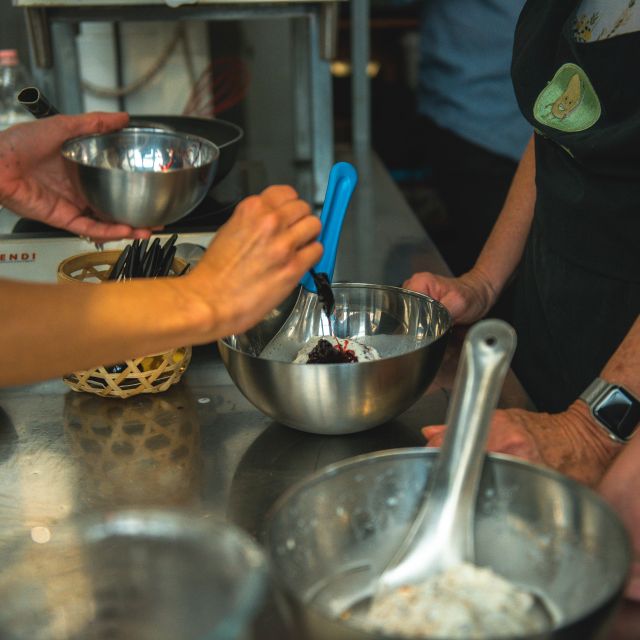
Rome’s gelato lesson gets beyond the cone and into what makes the dessert work: ingredients, proportions, and the difference between a creamy base and a finished flavor. In one hour, a local chef guides you through making gelato and tasting fiordilatte, stracciatella, and fruit.
I like two things in particular: you get to handle part of the process, including measuring gelato, and the lesson teaches you how to judge gelato shops after class. The group is capped at six, so there’s room for questions and the instructor can involve children as well as adults.
The trade-off is the short format. One hour is enough for an engaging introduction, not a full cooking course, and the price may feel high if you only want a few scoops. The guide may speak in both English and Italian, too, which is worth knowing if you need every instruction in English.
Gelato class highlights
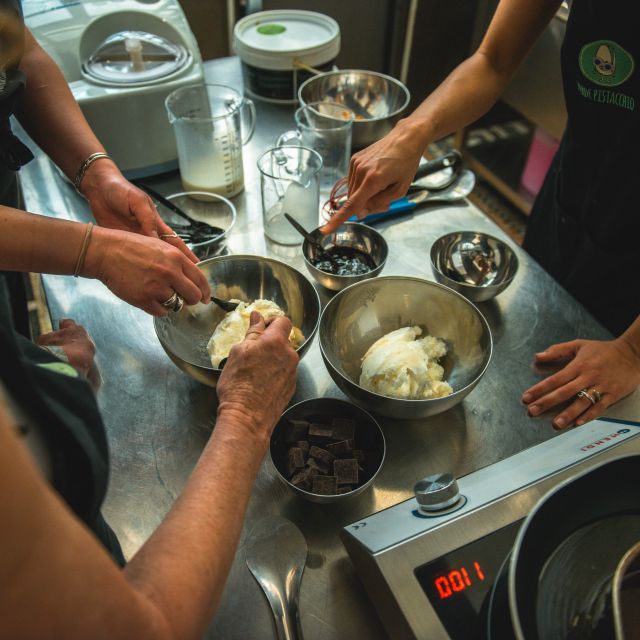
- A hands-on step: You try measuring gelato yourself, rather than only watching a demonstration.
- Three classic flavors: The tasting covers fiordilatte, stracciatella, and fruit ice cream.
- Useful shop advice: Learn about ingredient quality and what to look for when choosing gelato around Rome.
- A group of six or fewer: The small cap makes it easier to ask questions and take part.
- A one-hour activity: It fits into a busy sightseeing day, though the class is a short introduction.
- Rain or shine: The experience goes ahead in any weather, and pets are not allowed.
Start outside Verde Pistacchio
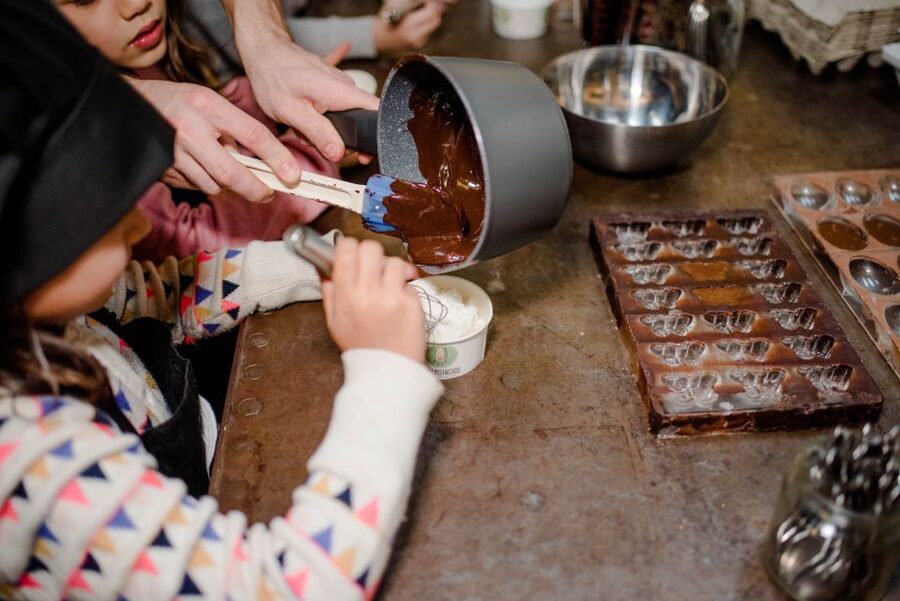
Meet the chef outside Verde Pistacchio, across the road from the church. The supplied meeting coordinates are 41.901363, 12.493928. Check the exact starting time when you choose a date, since this class runs at set times rather than continuously.
The meeting point is useful to know in advance because it is a specific shopfront, not a general city landmark. If you are navigating on foot, use the coordinates as well as the shop name. The class information does not provide a hotel pickup or transport, so plan to arrive at the meeting place on your own.
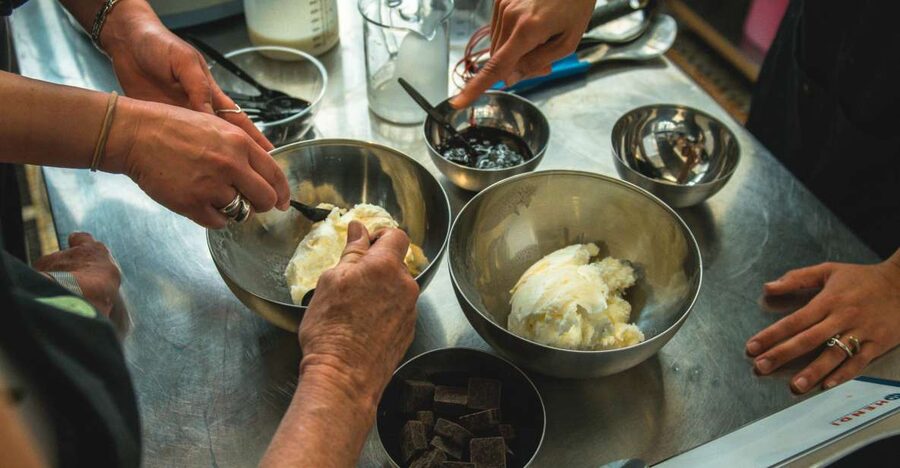
Once you meet the chef, you move into the lesson with the tools and ingredients ready for you. That means you can focus on the method rather than shopping for supplies or preparing a kitchen. The chef also explains how to choose good ingredients, a practical part of the class that matters if you hope to try making gelato at home.
More cooking classes in Rome:
- 3 in 1 Cooking Class near Navona: Fettuccine, Ravioli & Tiramisu
★ 5.0 · 7,376 reviews - Rome: Pasta & Tiramisu Class with Fine Wine by the Vatican
★ 4.9 · 4,852 reviews - Rome: Pasta Making Class with Wine, Limoncello, and Dessert
★ 4.9 · 3,177 reviews
Learn what goes into a gelato base
The first flavor is fiordilatte, a simple base made with sugar, milk, and cream. It is not plain in the sense of being unimportant: it gives you a way to notice the character of the base itself, without chocolate or fruit masking it.
That makes fiordilatte a good starting point for the tasting. Pay attention to its creamy texture and clean dairy flavor. If you enjoy it, you can better understand why a careful base matters in flavors that add other ingredients.
The class also explains the science behind making gelato. You will not just hear a list of steps, but get a sense of how the ingredients work together. A past participant found the process especially useful for understanding that science and for learning to measure gelato. That small hands-on task is a practical touch, even if you should not expect to make a whole batch from scratch in a one-hour session.
The format is best understood as a guided introduction, not an intensive pastry course. You get clear instruction and a chance to take part, but the supplied details do not promise that each participant makes every flavor independently. If you want a long, fully hands-on workshop, compare this with a broader cooking class.
Taste stracciatella and fruit flavors
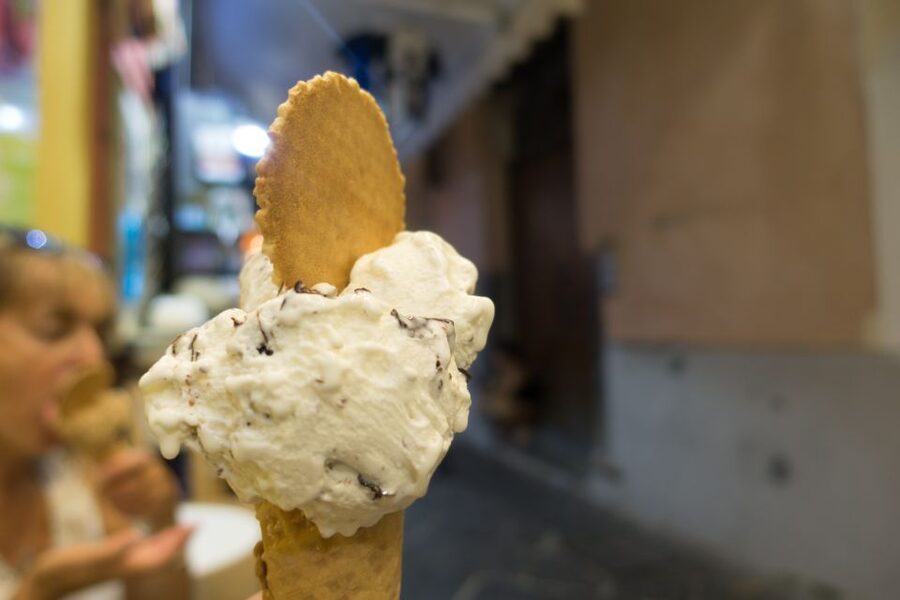
Next comes stracciatella, made from a creamy base such as fiordilatte with pieces of chocolate. The pleasure here is the contrast: smooth gelato against crunchy chocolate. It is a familiar flavor, but tasting it after hearing about the base gives you another way to think about how a classic is put together.
Fruit ice cream starts with the fiordilatte base and adds fruit pieces. It offers a fresher taste and a useful contrast with the richness of the dairy-based flavors. The precise fruit selection is not specified, so don’t book expecting a particular fruit or seasonal variety.
You taste the gelato made during the workshop, and the class includes tastings of different gelato in the shop. That gives the hour a satisfying finish: you learn about ingredients, try the process, and then get to eat the results. Some tasters have also enjoyed the shop’s salted pistachio gelato, though it is not one of the three flavors guaranteed in the class description.
Take home more than a recipe
The most useful takeaway may be how to choose gelato elsewhere in Rome. The chef explains the difference between traditional gelato made with good ingredients and lower-quality options. That advice can help you make better choices as you explore the city, long after the class ends.
You also get tips for making gelato at home. Treat these as a starting point rather than a promise that you’ll leave ready to reproduce a shop’s full range. The class is only an hour, and it focuses on a few core flavors. Still, learning how to think about the base, ingredients, and texture gives you a better foundation than simply memorizing a recipe.
The practical value is that you can apply the lesson on the same trip. When you stop at another gelateria, you will have more to consider than the display and the name of a flavor. Look for signs of care in the ingredients and compare textures and tastes with what you tried in class. The exact shop-selection checklist is not laid out in advance, but the instructor’s guidance on quality is one of the class’s central themes.
More tours and experiences in Rome:
- Vatican: Museums & Sistine Chapel Entrance Ticket
★ 4.5 · 144,003 reviews - Vatican Museums & Sistine Chapel Tour with Optional Basilica
★ 4.3 · 67,413 reviews - Colosseum, Roman Forum & Palatine Guided Tour
★ 4.7 · 63,148 reviews - Vatican Museums, Sistine Chapel & St Peter’s Basilica Guided Tour
★ 4.5 · 39,149 reviews
A small group suits questions and families
The class is limited to six participants. That is a meaningful advantage for a short food workshop: you have a better chance to ask about ingredients or technique, and the chef can involve people rather than deliver a talk to a crowd.
The group size can vary. It may be as small as a couple, or it may reach the full six-person limit. Either way, the format is more personal than a large demonstration, though the class is not private unless your booking happens to make it so.
Children have enjoyed taking part, including children aged five and eight, and a 12-year-old was actively included in the explanation. That suggests the class can work well for families, especially if your children like food and hands-on activities. There is no stated minimum age, so ask the provider before booking if you need to confirm suitability for a particular child.
The guide is described as friendly, lively, and clear in explaining the differences between good gelato and lower-quality alternatives. No guide’s name is provided, so you should not expect to book a particular chef. The guide speaks English and Italian, but may use both languages during the class. If you depend on English for every detail, keep that in mind.
Is one hour good value?
The value depends on what you want from the outing and what the price is when you book. No price is included in the information here, so compare the fare shown for your date with the length of the lesson and the amount of tasting. One person considered the class expensive for the time, while still enjoying the instructor and the gelato. That is a fair way to assess the trade-off: this is a short, specialized activity, not a long cooking workshop.
I think the class makes the most sense if you value both the tasting and the instruction. You are paying for a local chef’s explanation, a small group, a hands-on measuring task, and practical advice about ingredients and gelato shops. If your only goal is to eat good gelato, you can do that for less by visiting a shop on your own.
At the same time, the lesson is brief enough to fit around major sights. You can add it to a day without setting aside half a day for cooking. Just remember that the hour includes the explanation and tasting, so arrive ready to take part rather than expecting an extended session.
Booking is flexible: you can reserve now and pay later, and cancellation is available up to 24 hours ahead for a full refund. The class runs rain or shine. Pets are not allowed.
Who should book this Rome gelato class?
Book it if you enjoy learning how familiar foods are made and want a practical way to judge gelato during the rest of your stay. It is a good fit for couples, small groups, and families whose children like tasting and taking part. The class is especially useful if you are curious about ingredient quality or want home-making tips, not just a quick dessert stop.
Think twice if you want a detailed, multi-hour cooking course, need a guaranteed English-only lesson, or are mainly comparing the activity with the cost of buying gelato by the scoop. For a focused hour with a chef, a small group, and classic flavors to taste, it offers more than a snack, but less than a full culinary workshop.
FAQ
How long is the gelato class?
The class lasts one hour. Check availability for the starting times offered on your date.
What flavors are included?
The listed flavors are fiordilatte, stracciatella, and fruit ice cream. The exact fruit selection is not specified.
What languages does the guide speak?
The guide speaks English and Italian. The guide may speak both languages during the class.
How many people can join?
The class is limited to six participants. The group may be smaller, but a private session is not guaranteed.
Where is the meeting point?
Meet the chef outside Verde Pistacchio, across the road from the church. The coordinates are 41.901363, 12.493928.
Does the class run in bad weather, and can I bring a pet?
The class takes place rain or shine. Pets are not allowed.
Can I cancel or pay later?
Yes. You can reserve now and pay later, and you can cancel up to 24 hours in advance for a full refund.
Newly reviewed in Rome
- Rome: Neapolitan Pizza Cooking Class in Front of the Vatican★ 4.8 · 137 reviews
- Rome: St. Paul’s Within the Walls New Year’s Concert Ticket★ 4.4 · 35 reviews
- Rome: Navona Underground & Domitian Stadium Guided Tour★ 4.6 · 36 reviews
- Rome: Navona Square and École Française Underground ticket★ 3.9 · 160 reviews
- Rome: Monuments and Belvederes Bike Tour★ 4.7 · 26 reviews
- Rome: Musical Biography of Frank Sinatra Concert★ 3.9 · 100 reviews
- Rome: Monti Street Food Tour★ 4.5 · 14 reviews
- Rome: Monti Neighborhood Lunch or Dinner Food Tour★ 4.9 · 8 reviews
Rome Cooking Classes, compared.
3 in 1 Cooking Class near Navona: Fettuccine, Ravioli & Tiramisu
Read our review →
Pasta & Tiramisu Class with Fine Wine by the Vatican
Read our review →
Pasta Making Class with Wine, Limoncello, and Dessert
Read our review →
3-in-1 Fettuccine, Ravioli, and Tiramisu Cooking Class
Read our review →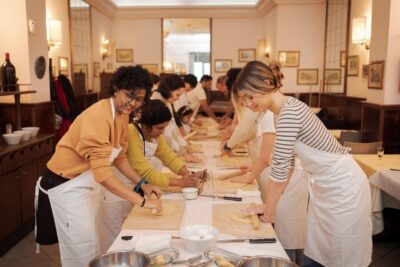
Fettuccine Pasta Cooking Class in Rome’s City Center
Read our review →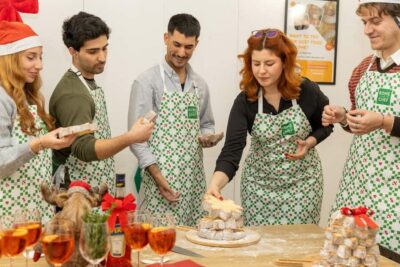
Traditional Pasta with Cocktails Cooking Class
Read our review →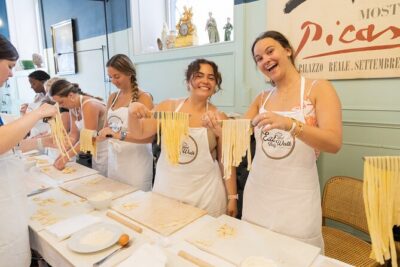
Learn to Make Pasta & Tiramisu with Wine and Limoncello Included
Read our review →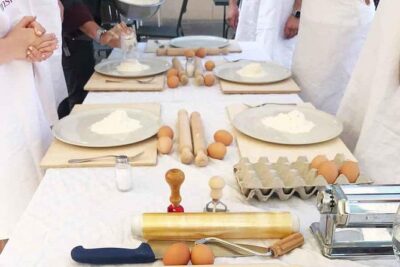
Become a Masterchef in Rome: Pasta, Ravioli and Tiramisù Class
Read our review →Browse the lists this tour appears in