Review · ROME TOURS
Rome: Hidden depths – Unveiling Underground Treasures Tour
Rome’s layers are easiest to grasp when you can walk from one age to another. This three-hour route links Michelangelo’s Moses with early Christian churches, an ancient crypt, and the underground Mithraic temple beneath San Clemente.
I like two things in particular: the chance to see places that can be easy to miss on your own, and the way the stops connect art, religious history, and ancient Rome. The small group, capped at 10, also leaves room for questions rather than making this feel like a march behind a flag.
One consideration: this is a walking tour with stairs and uneven surfaces, including below-ground areas. If mobility is limited, or if you find several hours on foot tiring, this route may not be a good fit.
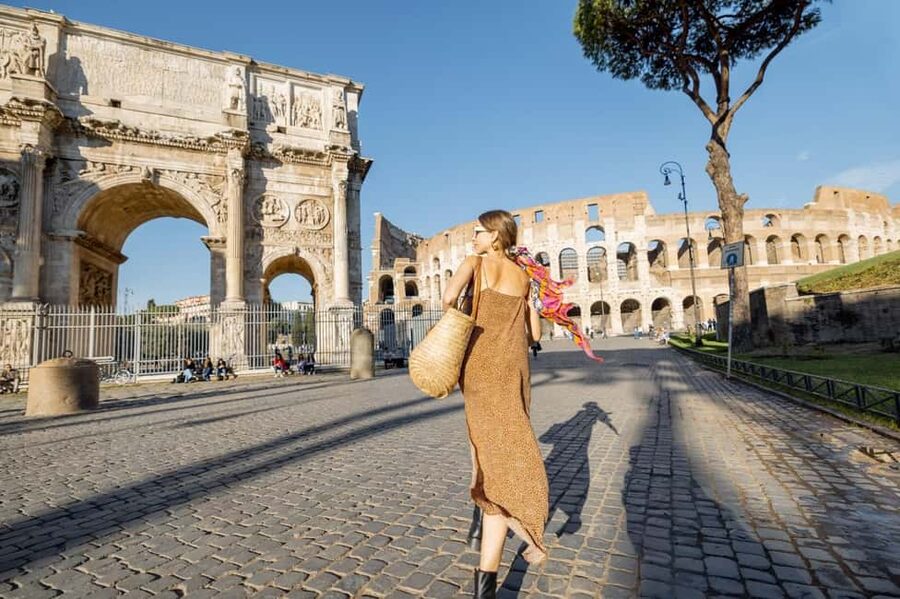
- Start beneath the Arch of Constantine, beside the Colosseum, with a guide setting the scene for the surrounding ruins.
- See Moses and Saint Peter’s chains at San Pietro in Vincoli, a striking pairing of Renaissance sculpture and Christian relic.
- Visit San Martino ai Monti, where frescoes and an underground crypt offer a quieter look at Rome’s past.
- Walk across Oppian Hill, passing the remains of Nero’s Domus Aurea from the park.
- Spend an hour at San Clemente, moving from medieval mosaics to a Mithraic temple underground.
- Join a group of no more than 10, with church admissions and access to the underground areas included.
Begin at the Arch of Constantine
The meeting point is right under the Arch of Constantine, next to the Colosseum. It is a dramatic place to begin, but also a useful one: your guide can orient you in a part of Rome where the landmarks and ruins can compete for your attention.
The tour starts with the arch and the nearby Colosseum area, then heads toward its first church. That opening context matters. Instead of treating each site as an isolated stop, the guide can connect the monuments you see above ground with the older stories and structures waiting below it.
This is a walking tour, not a ride between attractions. The route includes a 15-minute walk to San Pietro in Vincoli, then shorter stretches between the next stops. Expect a moderate amount of walking overall, with pauses inside each church.
Meet Michelangelo’s Moses at San Pietro in Vincoli
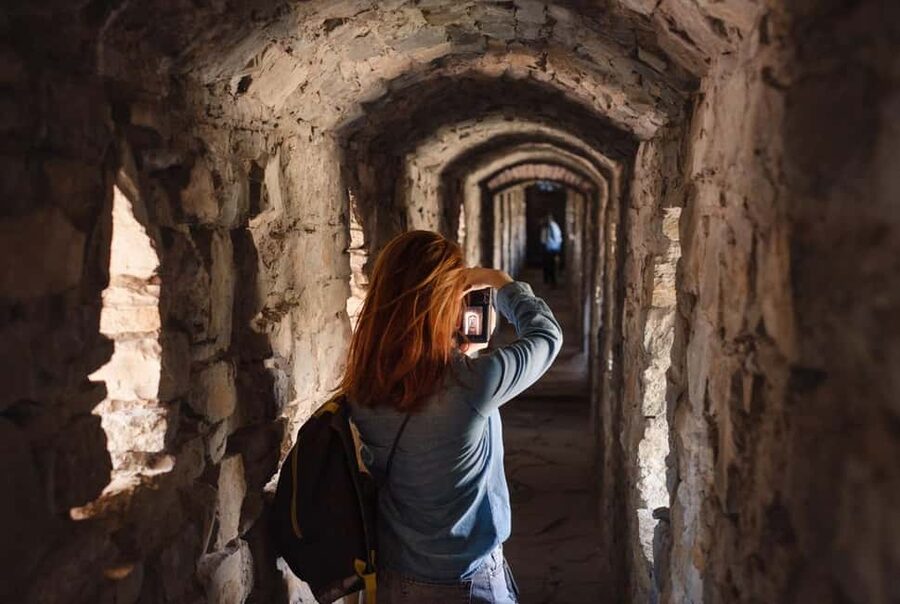
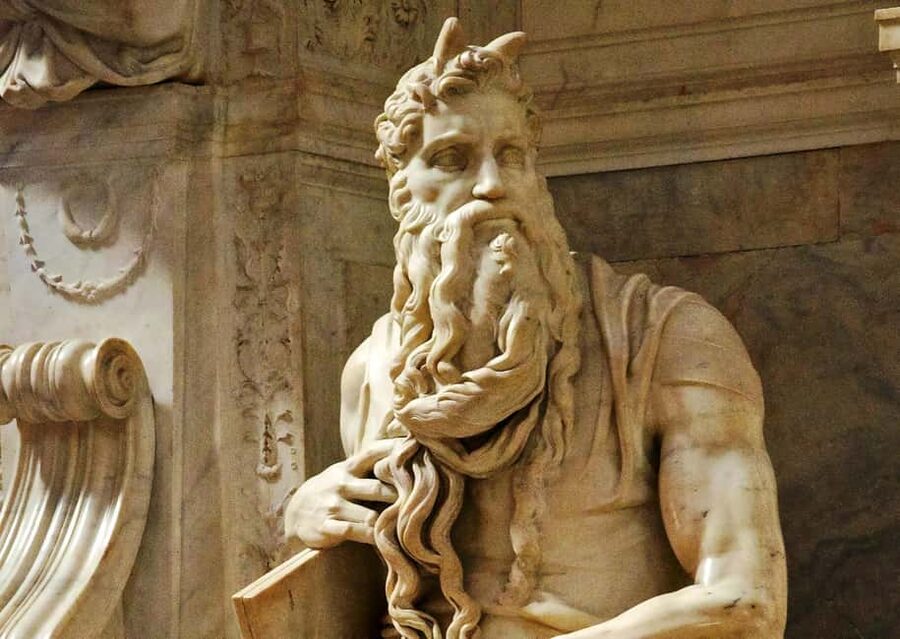
San Pietro in Vincoli is the first major stop, with about 30 minutes set aside for a visit. Its best-known work is Michelangelo’s statue of Moses, a powerful focal point for the church and a good reason to slow down rather than simply check the building off a list.
The church also holds the chains said to have bound Saint Peter. Seeing the statue and the relic in one visit gives you two very different ways to think about Rome’s religious history: one through a work of Renaissance art, the other through a tradition tied to the early Church.
I’d treat this stop as more than a quick photo opportunity. A guide can explain what you are looking at and place it in the story of the city, while you have time to notice the contrast between Michelangelo’s imposing figure and the more intimate scale of the church.
More tours and experiences in Rome:
- Vatican: Museums & Sistine Chapel Entrance Ticket
★ 4.5 · 144,003 reviews - Vatican Museums & Sistine Chapel Tour with Optional Basilica
★ 4.3 · 67,413 reviews - Colosseum, Roman Forum & Palatine Guided Tour
★ 4.7 · 63,148 reviews
Find a quieter Rome at San Martino ai Monti
After a 10-minute walk, the tour reaches the Basilica dei Santi Silvestro e Martino ai Monti, usually called San Martino ai Monti. About 30 minutes are planned here, including time to see its frescoes and underground crypt.
This stop changes the pace. San Pietro in Vincoli draws attention with a famous sculpture; San Martino ai Monti is more about discovering the layers of a church that may not be on your list of major Roman sights. Its crypt reaches back to ancient Rome, adding a physical sense of age to the stories told above ground.
The word crypt can suggest a large, elaborate underground complex, so keep expectations measured. What makes this visit worthwhile is the combination of the church’s art and its lower level, not a long subterranean expedition. The route has stairs and uneven ground, which is worth bearing in mind if you have difficulty walking.
Cross Oppian Hill and pass Nero’s Golden House
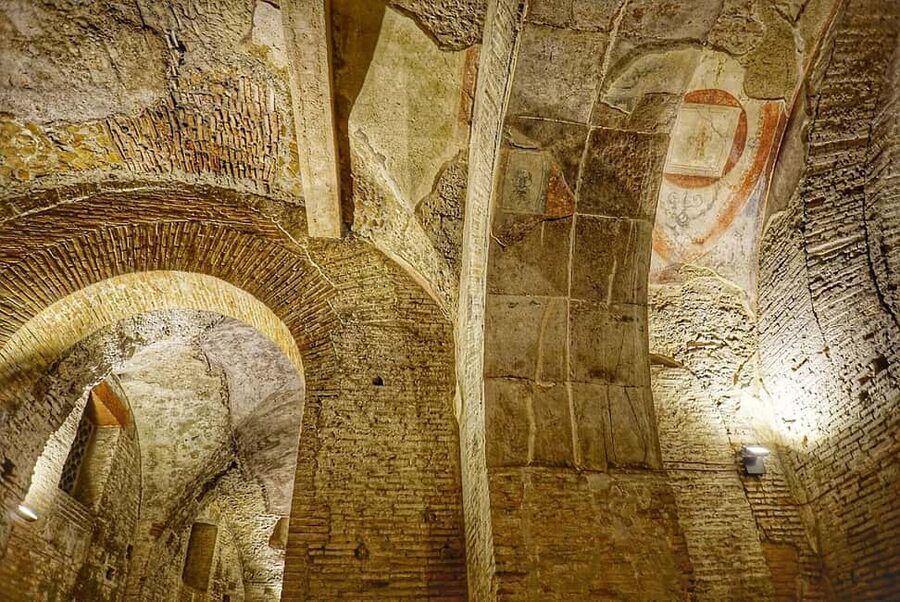
The route continues toward Oppian Hill, with a 10-minute walk through Parco del Colle Oppio. Along the way, you pass the ruins of the Domus Aurea, Nero’s Golden House, a reminder of the scale of imperial Rome.
This is a passing view, not a visit inside the palace. That distinction helps set expectations: the tour gives you a glimpse of the ruins as part of the walk, then moves on to the church that anchors the final hour. If you want an in-depth visit to the Domus Aurea, this tour does not provide one.
Still, the walk earns its place. It gives you a breather between church interiors and helps connect the underground sites to the city’s wider Roman setting. Bring water and sunscreen, especially in warm weather, since part of the route is outdoors.
Spend the final hour beneath San Clemente
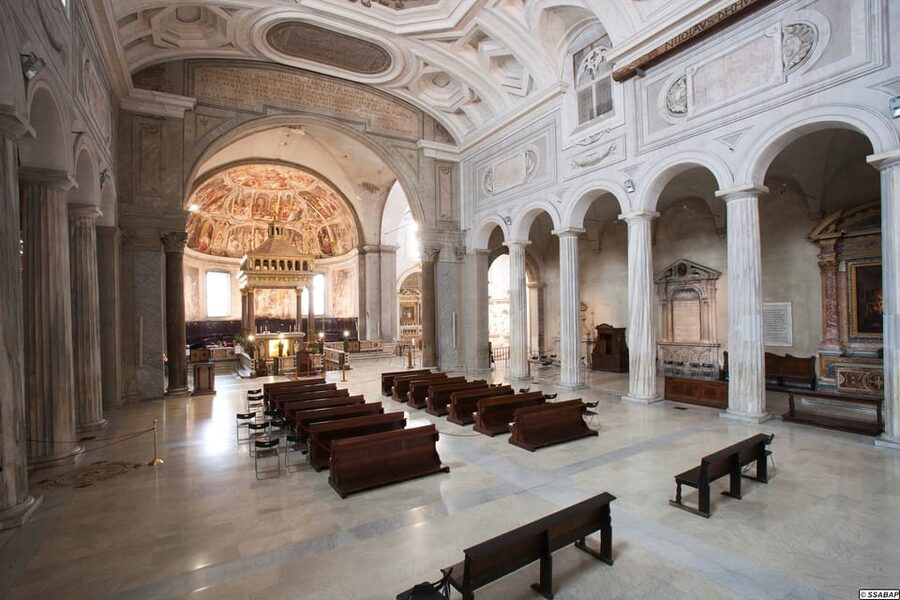
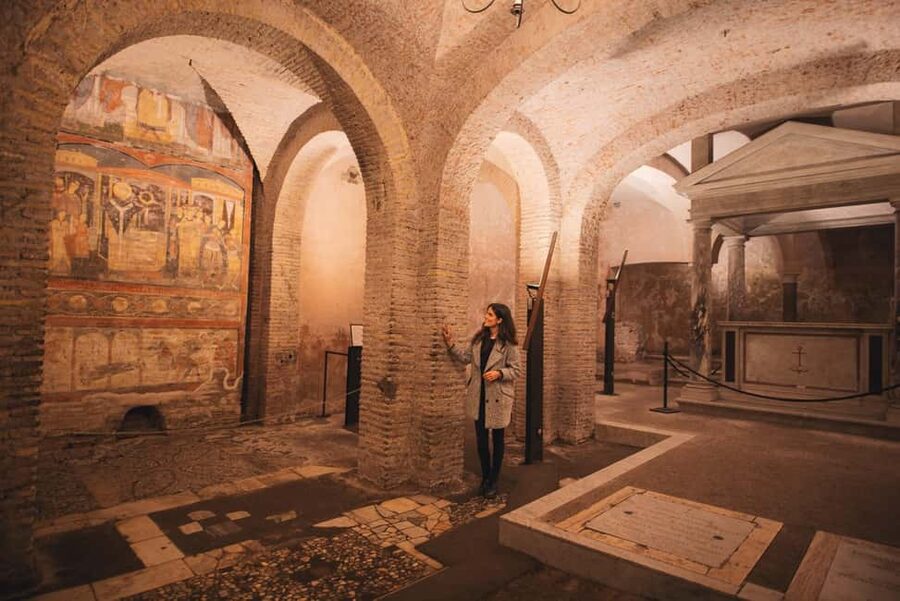
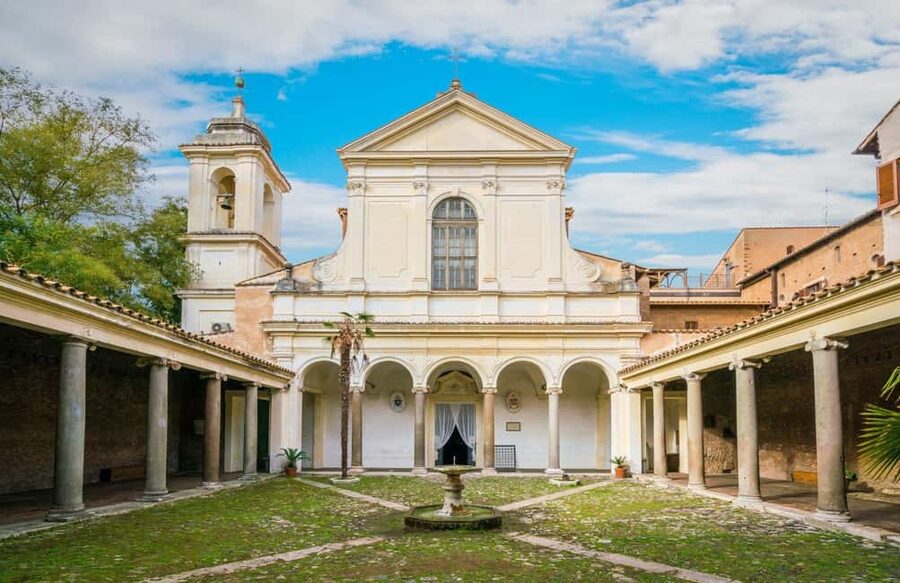
The Basilica of San Clemente is the tour’s main event, with about an hour for the visit. The church is known for revealing several periods of Rome in one place: medieval mosaics above, and older structures below, including a Mithraic temple.
This layered arrangement is what makes San Clemente such a strong finish. You are not only hearing that Rome was built over earlier Rome; you get to move through spaces that make the idea tangible. The medieval basilica’s mosaics bring the story back to the surface, while the underground levels lead into older religious and civic life.
The lower areas can be cooler than the streets above, so a light jacket is sensible. There are stairs and uneven surfaces, and photography is restricted in some areas. Follow signs and your guide’s instructions, and do not expect to take pictures everywhere.
A full hour here is useful. San Clemente has enough layers to reward careful attention, and rushing through it would undercut the point of the tour. The guide can help you understand how the different levels relate, rather than leaving you to puzzle over a series of rooms on your own.
Same city, a different way to spend the day:
- Vatican Museums, Sistine Chapel & St Peter’s Basilica Guided Tour
★ 4.5 · 39,149 reviews - Rome: Colosseum, Palatine Hill and Roman Forum Guided Tour
★ 4.8 · 32,814 reviews - Rome: Guided Tour of Colosseum, Roman Forum & Palatine Hill
★ 4.7 · 27,897 reviews - Rome: Colosseum & Forum with Audio Guide App -Optional Arena
★ 4.2 · 24,770 reviews
What the guide adds to the route
The guide is a key part of this experience. Several recent tours have been led by Alain, also spelled Alan in one account. He is described as professional and attentive, with a lively, detailed approach that goes beyond simply reading a prepared script. One account notes that he did extra research to make the tour more immersive.
That kind of guiding matters on a route built around historical layers. A church crypt or a set of ruins may be hard to interpret without context; a good explanation can connect what you see to the better-known landmarks nearby. The tour is also in English, so you can follow the historical explanations and ask questions along the way.
The group limit of 10 is another practical advantage. It is small enough to make conversation easier and to keep the guide within earshot, especially inside churches where a large group can feel unwieldy. The specific guide can vary, so do not assume Alain will lead every departure.
Is $112 a fair price?
At $112 per person, this is not a budget walking tour. The value depends on whether you want guided access to several sites and a coherent explanation of what lies beneath Rome, rather than just a route between churches.
Admission to San Pietro in Vincoli, San Martino ai Monti, and San Clemente is included, as is access to the underground crypts and Mithraic temple. The English-speaking guide and group size of no more than 10 also add value, particularly if you want the history explained in real time. Skip-the-ticket-line access is listed, though the tour’s strongest benefit is the guided visit and the joined-up story, not simply saving time at a ticket desk.
You will need to arrange your own transport to the Arch of Constantine, and food and drinks are not included. At three hours, the tour is a substantial half-day outing without taking up the whole day. If you are most interested in Rome’s major headline monuments, you may prefer to spend the money elsewhere. If you like churches, art, and the city’s underground layers, the price is easier to justify.
Who will enjoy this tour most?
I’d recommend it to history lovers, art enthusiasts, and curious visitors who want a different angle on Rome after seeing, or planning to see, its best-known sites. It connects familiar themes such as the Colosseum and imperial Rome with churches and underground places you might not think to visit independently.
It also suits you if you enjoy a guide who tells stories and makes connections, rather than simply pointing out objects. The praise for Alain’s detailed, engaging style is a good sign, though guides may vary. The small-group format makes the tour feel more personal than a large walking group.
It is less suitable if you need step-free access, use a wheelchair, or have trouble with stairs and uneven surfaces. Children under 6 may find the walking challenging. Wear comfortable shoes, bring water and sunscreen, and consider a light jacket for the cooler underground rooms. Flash photography is not allowed, and some sites prohibit photography altogether.
Should you book it?
Book this tour if you want to spend three hours tracing Rome’s history through churches, sculpture, crypts, and underground spaces, with a guide to explain how the pieces fit together. San Clemente is the strongest reason to go, while Moses, Saint Peter’s chains, and San Martino ai Monti make the route more varied than a single-site visit.
Skip it if you are looking for a relaxed, low-walking activity or a tour focused on entering the Domus Aurea. This route passes its ruins but does not include an interior visit. For a small-group, guided look at Rome below the surface, it offers a thoughtful use of a half-day.
FAQ
How long is the tour?
The tour lasts three hours.
Where is the meeting point?
Meet right under the Arch of Constantine, next to the Colosseum.
What language is the tour in?
The live guide speaks English.
How large is the group?
The group is limited to 10 participants.
Are church admissions included?
Yes. Admission to San Pietro in Vincoli, San Martino ai Monti, and San Clemente is included.
Does the tour include underground access?
Yes. Access to the underground crypts and the Mithraic temple is included.
Is the tour suitable for wheelchair users?
No. It is not recommended for wheelchair users or people with mobility impairments because of stairs and uneven surfaces.
What should I bring?
Wear comfortable walking shoes and bring water, sunscreen, and a camera. A light jacket may be useful because the underground areas can be cooler.
Newly reviewed in Rome
- Rome: Neapolitan Pizza Cooking Class in Front of the Vatican★ 4.8 · 137 reviews
- Rome: St. Paul’s Within the Walls New Year’s Concert Ticket★ 4.4 · 35 reviews
- Rome: Navona Underground & Domitian Stadium Guided Tour★ 4.6 · 36 reviews
- Rome: Navona Square and École Française Underground ticket★ 3.9 · 160 reviews
- Rome: Monuments and Belvederes Bike Tour★ 4.7 · 26 reviews
- Rome: Musical Biography of Frank Sinatra Concert★ 3.9 · 100 reviews
- Rome: Monti Neighborhood Lunch or Dinner Food Tour★ 4.9 · 8 reviews
- Rome: Mini hike to the ancient Parco degli Acquedotti★ 4.9 · 9 reviews
Rome Tours, compared.
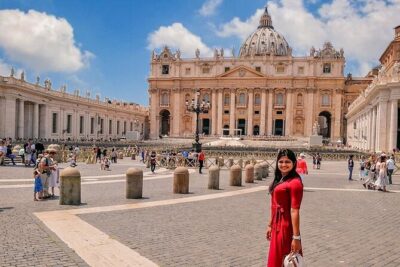
Vatican: Museums & Sistine Chapel Entrance Ticket
Read our review →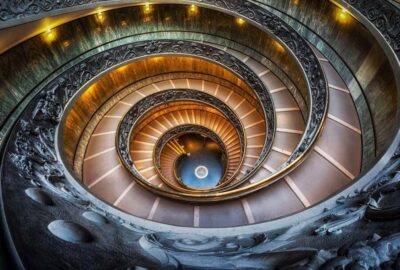
Vatican Museums & Sistine Chapel Tour with Optional Basilica
Read our review →
Colosseum, Roman Forum & Palatine Guided Tour
Read our review →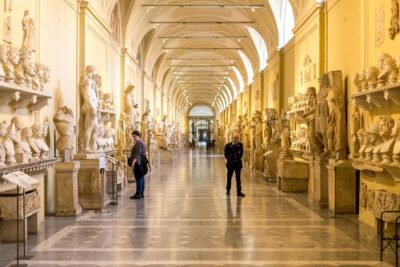
Vatican Museums, Sistine Chapel & St Peter’s Basilica Guided Tour
Read our review →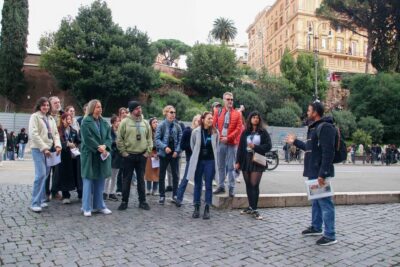
Colosseum & Forum with Audio Guide App -Optional Arena
Read our review →
Pantheon Fast-Track Ticket and Official Audio Guide
Read our review →
City Sightseeing Hop-on Hop-off Bus with Audioguide
Read our review →