Review · ROME TOURS
Rome: Immersive Underground and Piazzas Tour
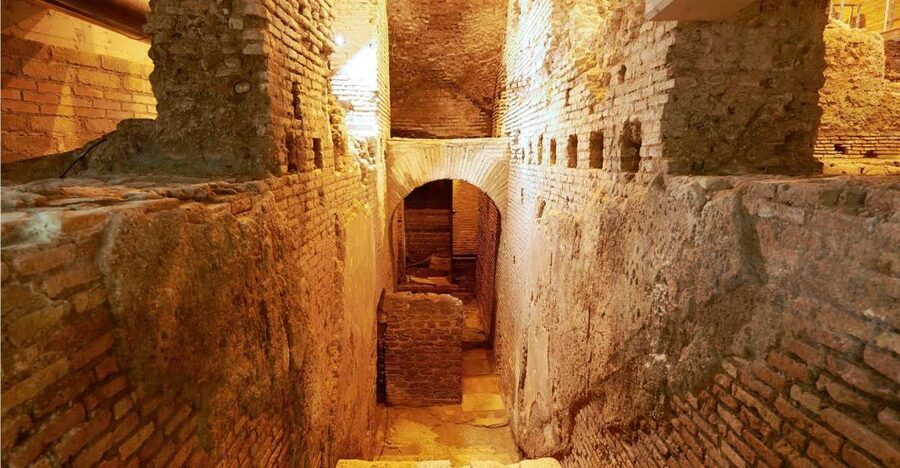
Beneath Piazza Navona, fragments of an ancient stadium sit under the streets and buildings of modern Rome. This three-hour walk connects that buried athletic arena with the Pantheon and the remains of an aqueduct near Trevi Fountain, giving you a useful look at how much of the old city lies below today’s pavements.
I like two things in particular: the contrast between busy piazzas and quieter underground rooms, and the chance to hear the history explained by guides who are often archaeologists. One consideration: this is not three hours underground. You walk between sites, and the Pantheon may be closed to tour access during religious functions.
Key points at a glance
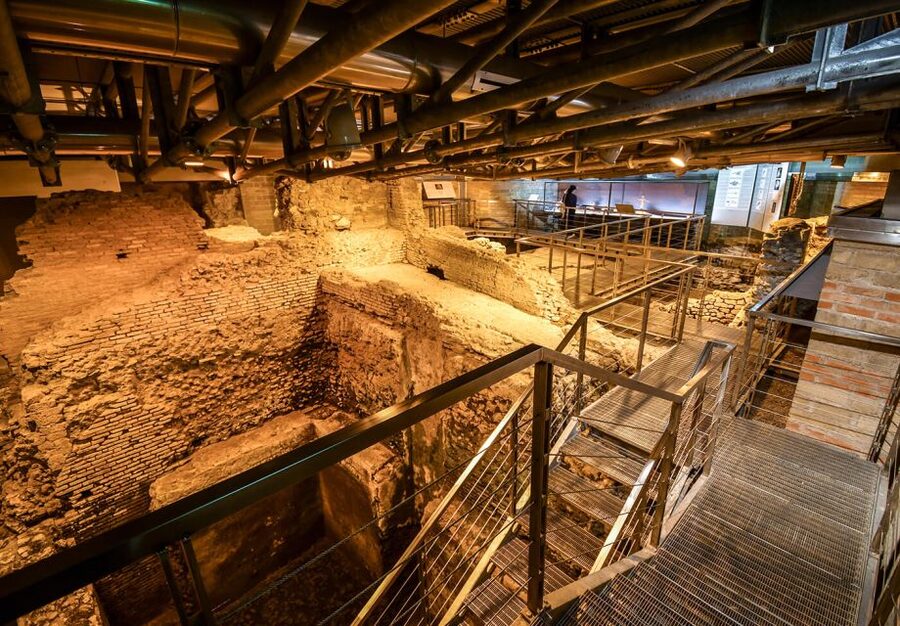
- Piazza Navona sits over an ancient stadium: Visit the remains of the Stadium of Domitian beneath the square.
- The Pantheon gets a guided visit: You hear about the building’s history inside an active church, when access is permitted.
- Vicus Caprarius reveals Rome’s water story: See remains linked to an imperial-era house and the Aqua Virgo aqueduct.
- Expect a lot of walking above ground: The three-hour route links several central sights on foot.
- Guides are a major part of the experience: Past guides include Amanda, Francesca, Alessandra, Maria, Gloria, and Caterina. The assigned guide varies.
- Dress for church entry: Cover your shoulders and knees, and wear comfortable shoes.
Piazza Navona’s fountains are only the surface
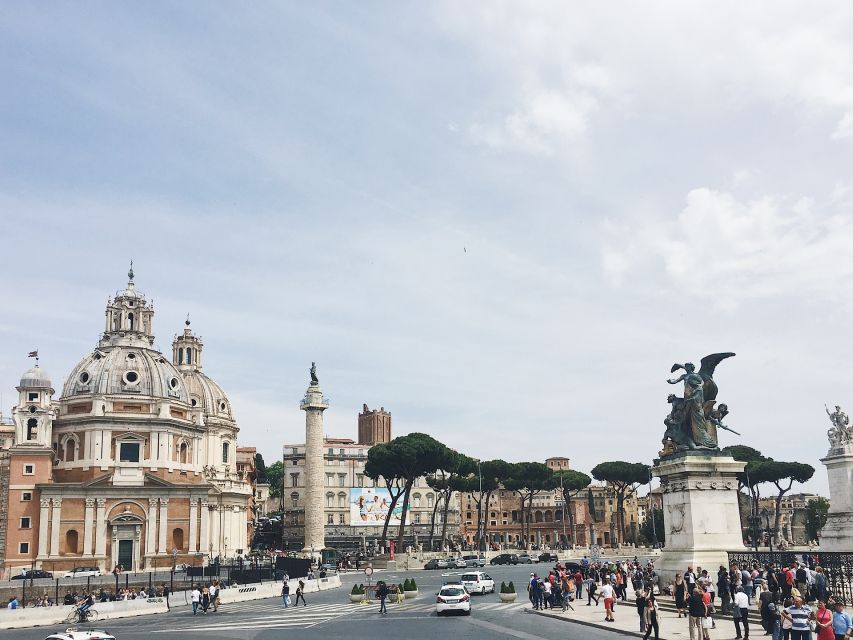
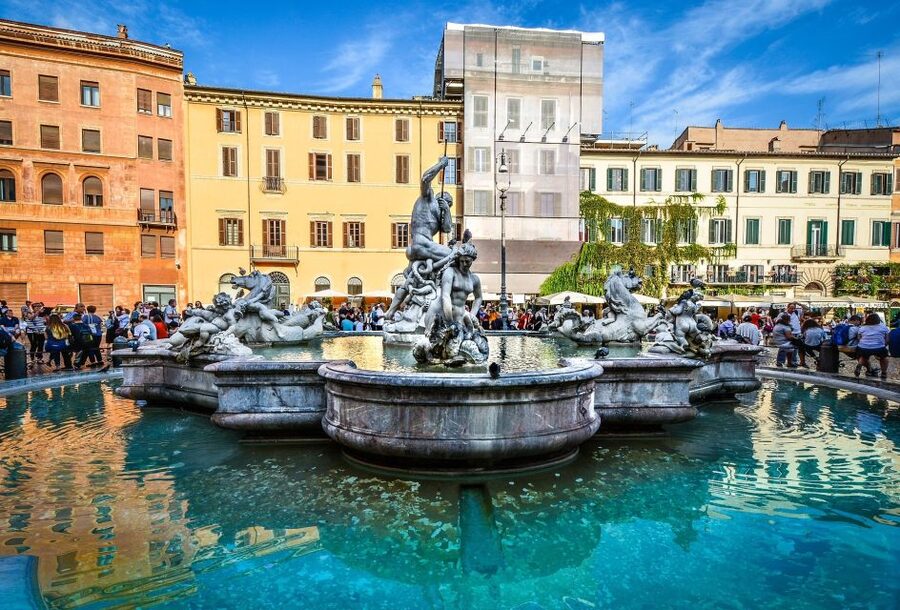
The tour begins around Piazza Navona, one of Rome’s best-known squares. Its fountains, including Bernini’s Fontana dei Quattro Fiumi at the center, make a lively introduction to the city above ground. The square is also the first clue that Rome’s history is layered: its long, open shape follows the footprint of the Stadium of Domitian.
That change in perspective is the point of this outing. You do not simply admire the piazza, then move on. You descend to see remains of the stadium beneath it, where the ancient city’s layout becomes easier to picture. The arena was used mainly for athletic contests. For a short period after fire damaged the Colosseum in 217 A.D., it also hosted gladiator shows.
The underground visit lasts about 30 minutes. That is enough time for a guide to explain what you are seeing and how the stadium relates to the square overhead, without making the stop feel like a separate, lengthy museum visit. If you have passed through Piazza Navona before, this section gives you a fresh reason to look at its shape and setting.
More tours and experiences in Rome:
- Vatican: Museums & Sistine Chapel Entrance Ticket
★ 4.5 · 144,003 reviews - Vatican Museums & Sistine Chapel Tour with Optional Basilica
★ 4.3 · 67,413 reviews - Colosseum, Roman Forum & Palatine Guided Tour
★ 4.7 · 63,148 reviews
Walking between ancient Rome’s layers
After the Stadium of Domitian, the route returns to the streets and continues toward the Pantheon. The walk is part of the experience, but it is also worth setting expectations: the tour includes several above-ground stretches through central Rome, and one visitor specifically found that the underground portion was smaller than expected. If you want a tour spent almost entirely below street level, this is not the right fit.
The streets also provide context that a single-site visit cannot. You move between the piazza, the Pantheon, and the Trevi area, seeing how Rome’s famous landmarks sit within the everyday city. The walking can take longer in crowded streets, so wear shoes you can manage for three hours and be ready to keep pace with the group.
Some practical details vary. There are two listed starting-location options, and the meeting point may change depending on the option booked. Check your booking messages before setting out. One past participant found the rendezvous unclear, while another appreciated being contacted about a location change. Clearer signs or a visible guide marker would help in a crowded square, so give yourself time to find the group.
The Pantheon with a guide’s eye

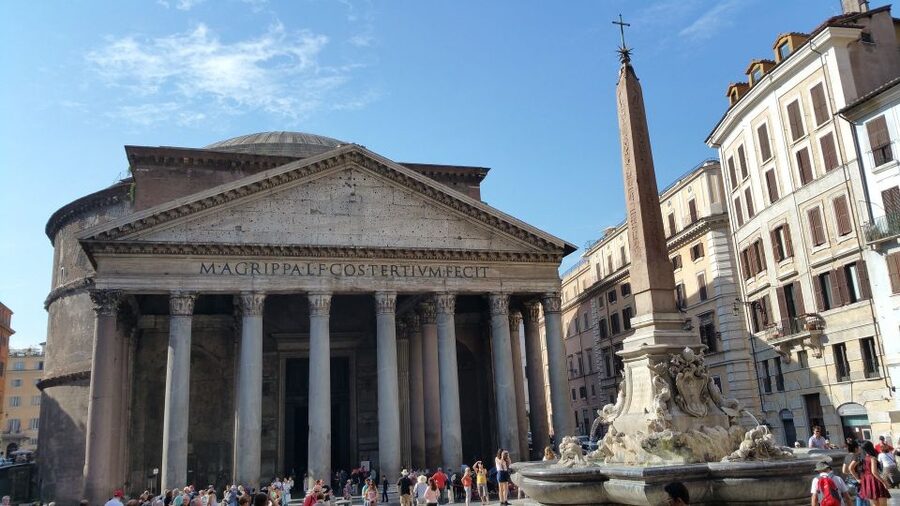
The Pantheon is a highlight for many people, but the tour adds value by giving you a guided visit rather than leaving you to wander through on your own. The stop is scheduled for about 45 minutes, the longest of the listed site visits. That gives your guide time to explain the building and respond to questions, instead of treating it as a quick photo stop.
The site also comes with two important conditions. First, the Pantheon is an active church, so your shoulders and knees need to be covered. Second, religious functions can make it inaccessible on some days. The tour provider may adjust access or the route, so check for updates before you go.
Roman legend adds another layer to the visit: Romulus, founder of the city, was said to have been carried into the heavens by an eagle after his death. It is a story rather than a verified account, but it helps show how ancient Romans connected sacred places with the founding myths of their city. Your guide can place such stories beside the building’s history, which makes the visit more engaging than a quick look around.
The Pantheon is a busy landmark, and a guide cannot make the crowds disappear. What guided time can do is help you focus on what you are looking at and make room for questions. Dress appropriately and arrive ready to listen, not just take pictures.
Vicus Caprarius and the Aqua Virgo
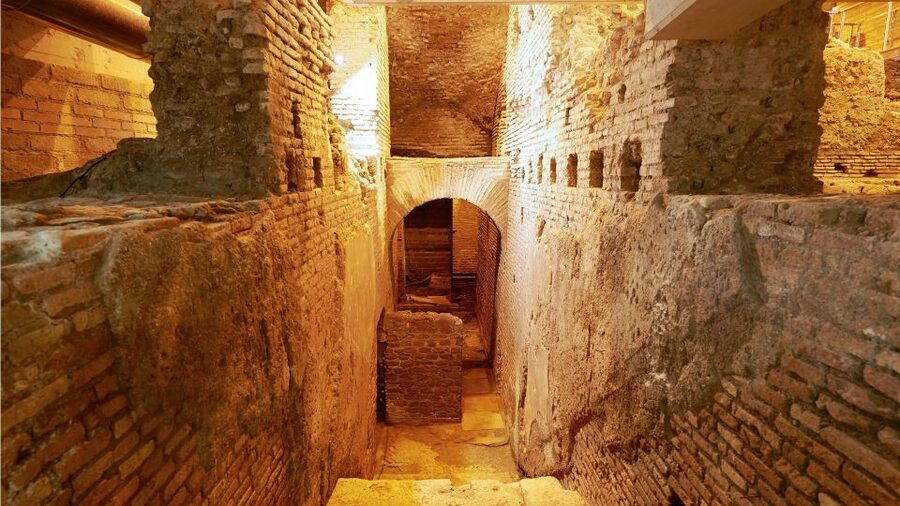
Near Trevi Fountain, the tour visits Vicus Caprarius, often called the City of Water. This archaeological area is below a modern building and contains remains of an imperial-era domus, or house, as well as the castellum aquae associated with the Aqua Virgo aqueduct.
That water connection is what makes this stop especially useful. Rome’s fountains are not just decorative landmarks; they depend on a system that has supplied water to the city for centuries. Seeing aqueduct remains below the modern streets helps connect the Trevi Fountain’s display of water with the infrastructure that brings it there.
The underground area is a compact contrast to the broad piazzas and open-air monuments. You can expect a guided visit of about 30 minutes, rather than a long archaeological excavation walk. The space may be a welcome change on a hot day: one visitor noted that the underground rooms felt cool compared with the streets.
Vicus Caprarius is also a reminder that the city’s past is not neatly separated from its present. The ancient remains lie beneath a contemporary building, and that meeting of old and new is part of the appeal. If you enjoy seeing how everyday urban life has accumulated over earlier structures, this stop may be the most memorable part of the route.
Same city, a different way to spend the day:
- Vatican Museums, Sistine Chapel & St Peter’s Basilica Guided Tour
★ 4.5 · 39,149 reviews - Rome: Colosseum, Palatine Hill and Roman Forum Guided Tour
★ 4.8 · 32,814 reviews - Rome: Guided Tour of Colosseum, Roman Forum & Palatine Hill
★ 4.7 · 27,897 reviews - Rome: Colosseum & Forum with Audio Guide App -Optional Arena
★ 4.2 · 24,770 reviews
Trevi Fountain, tradition, and a busy finish
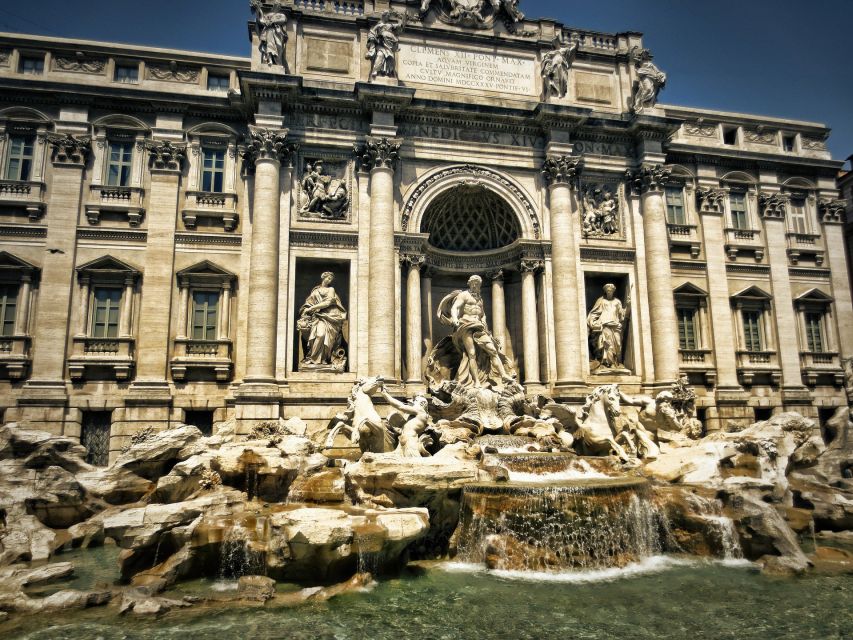
The tour ends at Trevi Fountain, with about 20 minutes set aside for a guided stop and photos. This is a natural place to finish: you have just heard about the aqueduct system connected to the fountain, and now you can see the water’s most famous public display.
You can follow the familiar coin-throwing tradition, though the fountain area can be crowded. Treat this as a short concluding stop rather than a quiet chance to linger. The tour ends here, so you can stay afterward on your own if you want more time for photos or a closer look.
The route information places Vicus Caprarius before the Trevi Fountain stop. The two sites are close to one another, so the sequence makes sense as a progression from the underground waterworks to the fountain above. Exact access routes can change, particularly during the Jubilee, when some monuments may be under restoration.
The guides make the history easier to follow
The tour’s strongest feature is its guide-led approach. Many of the guides are archaeologists, and the difference matters on a route with buried structures and layers of Roman history. A good explanation can help you see why a wall or water channel is worth stopping for, rather than leaving you to guess at its purpose.
Guides named by past participants include Amanda, Francesca, Alessandra, also known as Alex, Maria, Gloria, and Caterina. Their individual styles differ, but the qualities repeatedly associated with the experience are enthusiasm, clear explanations, patience with questions, and a sense of humor. Alessandra’s archaeological training and local childhood experiences were particularly noted as an unusual combination; Amanda was praised for bringing energy and warmth to the walk.
You cannot count on getting a specific guide, so book for the route and format, not a particular person. You can, however, expect a tour built around live explanation in Italian, English, or Spanish. If you like asking questions, this format has an advantage over an audio guide: your guide can respond to what interests you and connect the sites as you go.
Group size is not specified, and it may vary. Some past tours were very small, even private-feeling, while that should not be treated as a guarantee. In large crowds, it can be hard to keep the guide in sight. Stay alert when crossing busy areas and listen for any instructions about where to regroup.
Is three hours good value?

No price is provided here, so I cannot judge the tour against a specific ticket cost. Its value depends on what you want from a short visit to central Rome. You get several major locations, two underground archaeological sites, and a guided Pantheon visit in one walk. If you would otherwise visit each place without much context, the guide’s explanations may be the main reason to book.
The tour also saves you from planning the route between these sites yourself. That is useful if you have limited time or want a structured introduction to the area. Past participants have described the pace as manageable, with guides making room for questions and, at times, rest or toilet stops. Those details are not guaranteed on every departure, but they suggest a format that can work well as a morning activity.
The trade-off is that you cover a lot of ground in three hours, and the underground stops are only part of the schedule. You may want to return to the Pantheon or Trevi Fountain afterward, particularly if you prefer to explore at your own pace or take your time with photographs. This tour is best seen as an informed overview, not a substitute for a full day at any one site.
Who should book this tour?

I would choose this walk if you have already seen Rome’s headline sights, or if you want to understand how the city’s ancient structures continue beneath the modern streets. It suits curious visitors who enjoy stories, archaeology, and a guide who can answer questions. It can also be a smart choice on a hot day, since some of the route takes place underground.
It may be less suitable if you need step-free access. The activity is not suitable for wheelchair users, and the route includes walking between sites. It is also not ideal if your main goal is a long underground tour or a leisurely visit to the Pantheon and Trevi Fountain.
You can reserve now and pay later, and cancellation is free up to 24 hours in advance. Before you go, confirm the meeting point, check messages for changes, wear comfortable shoes, and dress to meet the Pantheon’s shoulder and knee rules.
FAQ
How long is the tour?
The tour lasts three hours. It includes walking between sites, guided visits, and time at the Pantheon, the Stadium of Domitian, and Vicus Caprarius.
What languages are offered?
Live guides are available in Italian, English, and Spanish.
Where does the tour start and finish?
There are two possible starting locations, Fiumi Fountain or the National Academy of San Luca. The meeting point depends on the option booked. The tour finishes at Trevi Fountain.
What should I wear?
Wear comfortable shoes. For entry to the Pantheon, cover your shoulders and knees because it is an active church.
Can I join if I use a wheelchair?
No. The activity is listed as unsuitable for wheelchair users.
Can the Pantheon visit be affected by religious services?
Yes. The Pantheon may not be accessible on some days because of religious functions. Routes and monument access may also change during restoration work, so check your messages before the tour.
Newly reviewed in Rome
- Rome: Neapolitan Pizza Cooking Class in Front of the Vatican★ 4.8 · 137 reviews
- Rome: St. Paul’s Within the Walls New Year’s Concert Ticket★ 4.4 · 35 reviews
- Rome: Navona Underground & Domitian Stadium Guided Tour★ 4.6 · 36 reviews
- Rome: Navona Square and École Française Underground ticket★ 3.9 · 160 reviews
- Rome: Monuments and Belvederes Bike Tour★ 4.7 · 26 reviews
- Rome: Musical Biography of Frank Sinatra Concert★ 3.9 · 100 reviews
- Rome: Monti Neighborhood Lunch or Dinner Food Tour★ 4.9 · 8 reviews
- Rome: Mini hike to the ancient Parco degli Acquedotti★ 4.9 · 9 reviews
Rome Tours, compared.

Vatican: Museums & Sistine Chapel Entrance Ticket
Read our review →
Vatican Museums & Sistine Chapel Tour with Optional Basilica
Read our review →
Colosseum, Roman Forum & Palatine Guided Tour
Read our review →
Vatican Museums, Sistine Chapel & St Peter’s Basilica Guided Tour
Read our review →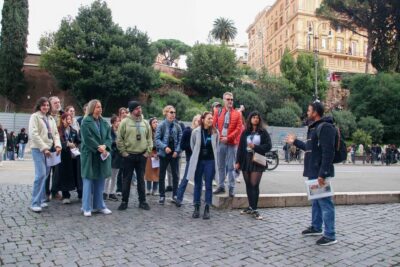
Colosseum & Forum with Audio Guide App -Optional Arena
Read our review →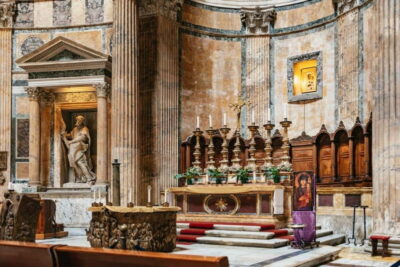
Pantheon Fast-Track Ticket and Official Audio Guide
Read our review →
City Sightseeing Hop-on Hop-off Bus with Audioguide
Read our review →