
Review · COLOSSEUM TOURS
Rome: Introduction to the Colosseum and Ancient City Tour
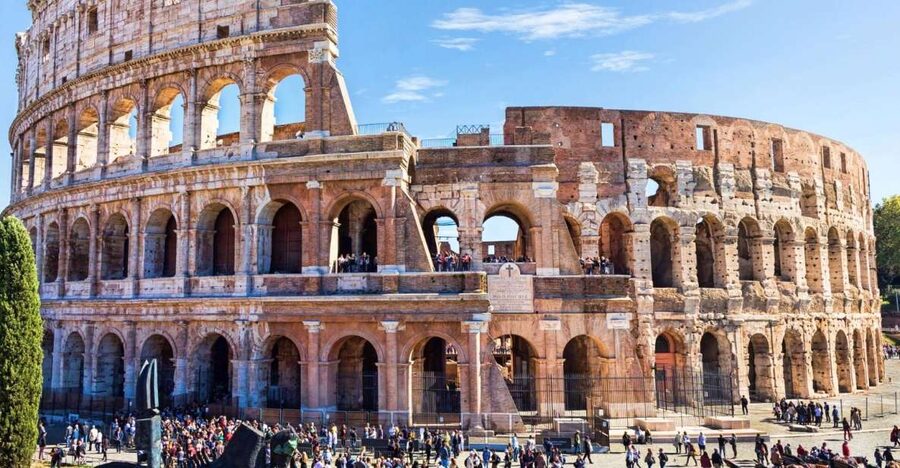
The Colosseum was built to hold about 50,000 spectators, with more than 80 entrances to move them through its vast arena. This tour gives you a guide to help make sense of that feat of Roman engineering, then brings you among the ruins of the Forum and Palatine Hill.
I like two things in particular: the guide connects famous monuments to the daily life and politics of ancient Rome, and you get time to explore the archaeological area at your own pace after the guided portion. The tour also ends at Trajan’s Column, a striking monument to Roman military power.
The main consideration is that 2.5 hours is a brisk visit to a large archaeological site, and in July and August the tour lasts only two hours. Bring ID for everyone in your booking, including children, and leave suitcases behind.
- Colosseum entry is included: Skip the ticket line and hear how the amphitheater’s design served both practical and political aims.
- The Forum was Rome’s civic center: Its ruins mark the place where social, political, religious and financial life met.
- Palatine Hill holds many eras: Look for traces of early Rome, imperial palaces, Renaissance-era Farnese activity and 20th-century history.
- The guide brings the myths to life: Expect stories about gladiators, Roman legends and the people who used these spaces.
- You finish at Trajan’s Column: The tour ends at a celebrated monument to Roman victory and power.
- Bring ID, not luggage: Entry requires an ID for each participant, and there is no suitcase storage.
A Colosseum visit with context, not just a photo stop
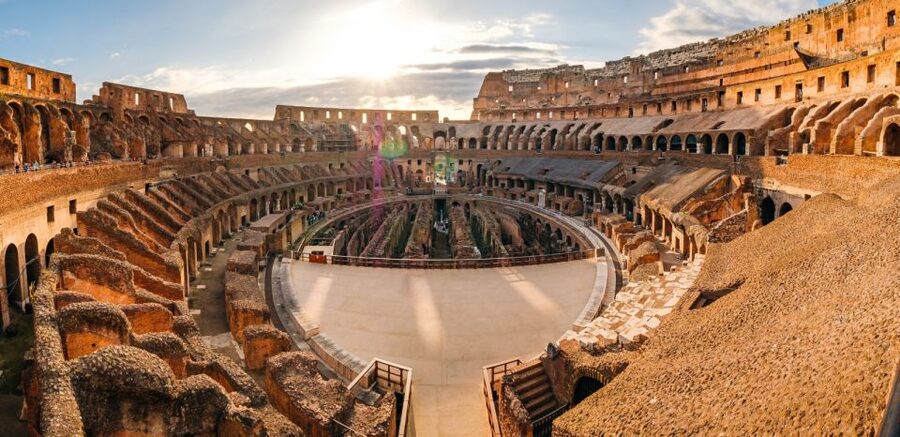
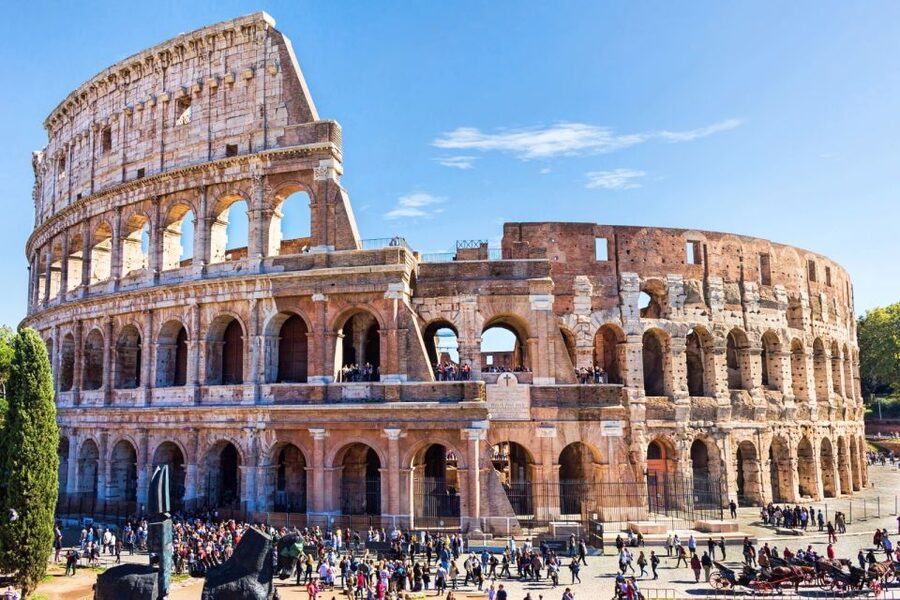
At the Colosseum, size is the first lesson. More than 80 entrances helped move a crowd of around 50,000 spectators through the building. A guide can turn those numbers into something you can picture, then explain how the structure worked and why the Flavian emperors built it.
The amphitheater had practical and political purposes. It gave Romans public entertainment, displayed the dynasty’s generosity to its citizens and showed off Roman engineering. Games and festivals could run for as long as 100 days, a reminder that this was not merely an impressive shell but a major venue for public life.
You’ll hear about gladiators and the spectacles staged for the crowd. The guide’s stories also help distinguish what the site tells us from the myths and legends that grew around ancient Rome. That human angle matters: stone arches can be hard to read on their own, but the people who watched, fought and governed here make the place easier to understand.
The Colosseum stop is likely to be the most structured part of the visit. Your guide walks you through the monument and explains its design, rather than leaving you to puzzle over the ruins alone. Entrance is included, and the tour skips the ticket line. That does not mean you should arrive casually: ID is mandatory, and the full name of every participant must be supplied with the booking.
The Forum, where public life took place
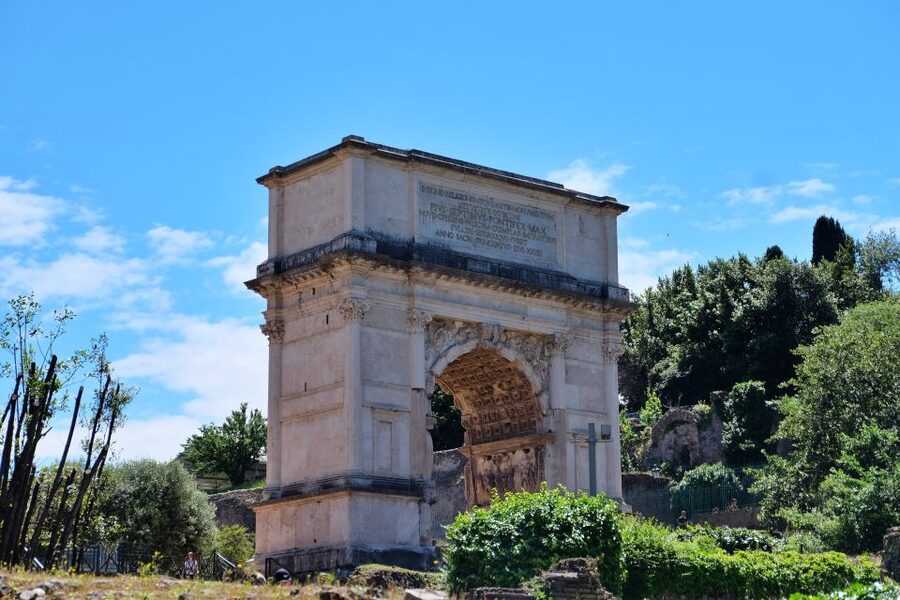
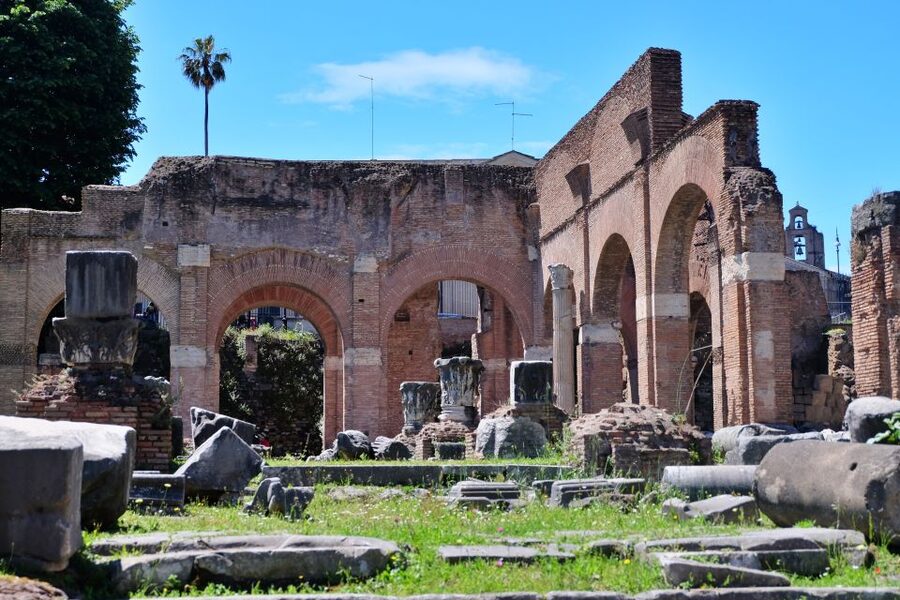
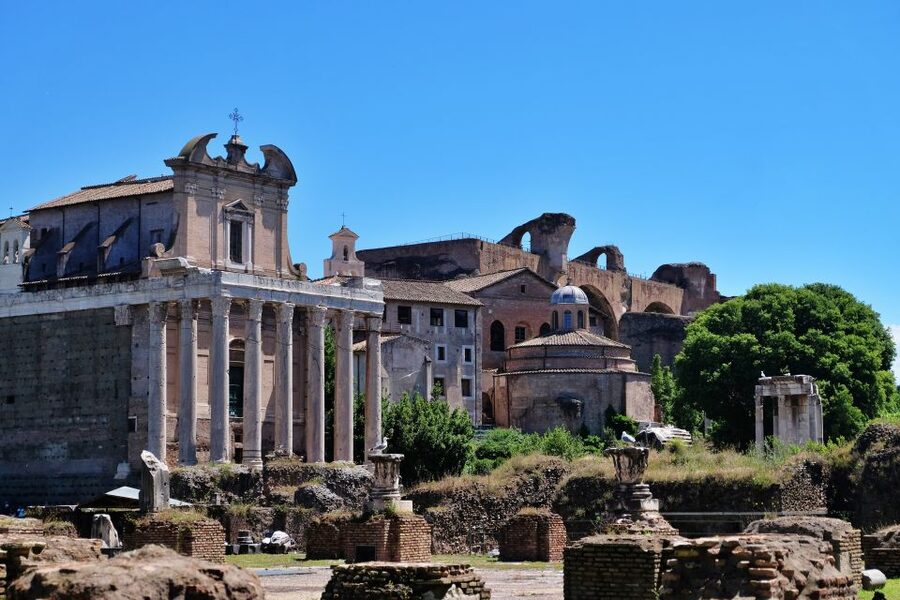
The Roman Forum was the social, political, religious and financial center of the empire. It was a place for public affairs and everyday business, where senators and people with few resources could share the same civic space. That mix is one reason the Forum is more than a collection of old buildings. Its ruins mark the center of a city that brought very different lives into contact.
As you explore, a guide can help you connect the structures that remain to the roles they once played. Without that context, the Forum can feel like a wide spread of columns, foundations and fragments. With it, you begin to imagine a working center of Roman life, rather than a quiet archaeological zone.
This part of the visit rewards curiosity, but the terrain and scale ask for patience. There is a lot to take in, and 2.5 hours covers the Colosseum, Forum and Palatine Hill together. The tour allows time to continue at your own pace after the guided portion, which is useful if you want to linger over a particular view or ruin. Still, you’ll need to choose where to spend that time instead of expecting a full, leisurely exploration of every corner.
More Colosseum tours in Rome:
- Colosseum, Roman Forum & Palatine Guided Tour
★ 4.7 · 63,148 reviews - Rome: Colosseum, Palatine Hill and Roman Forum Guided Tour
★ 4.8 · 32,814 reviews - Rome: Guided Tour of Colosseum, Roman Forum & Palatine Hill
★ 4.7 · 27,897 reviews
Palatine Hill, from early Rome to imperial palaces
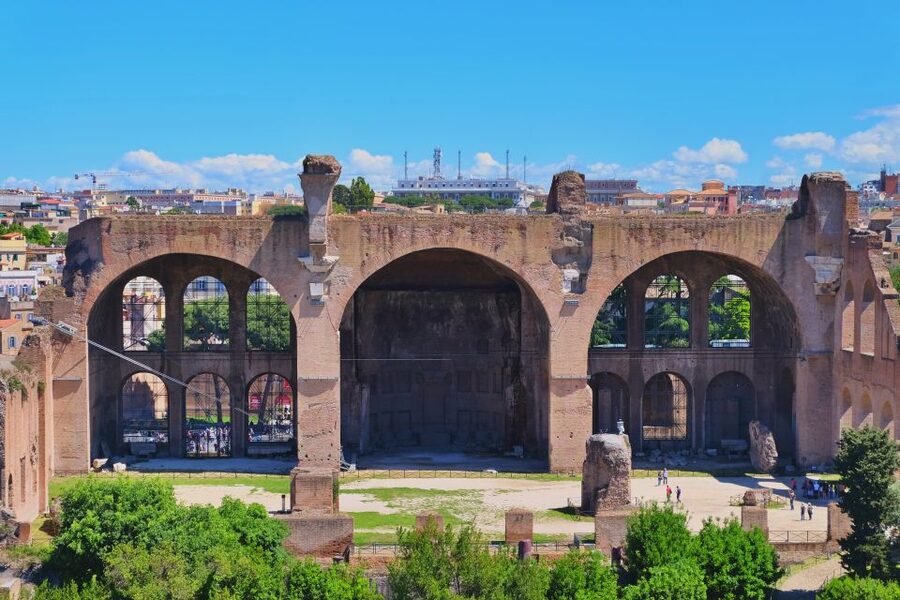
Palatine Hill is presented as the foundation point of Rome, and its remains span a long stretch of the city’s past. You can find traces associated with the early kingdom, including ruins dating to the 7th century BCE, as well as remains from the Roman Republic and the later imperial period.
The hill’s most imposing story belongs to Emperor Domitian’s palace. Its ruins give you a sense of the scale and authority of imperial Rome, while the wider site also carries later layers of history. The Farnese family left a Renaissance-era presence here, and Mussolini’s 20th-century presence forms another chapter in the hill’s changing use.
I like that this stop broadens the story beyond the empire’s best-known monuments. Rome was not built in a single era, and Palatine Hill makes those layers visible in one place. The trade-off is that the site can feel like a maze of remains if you have little time or no sense of what you are looking at. A guide’s explanations offer a useful starting point, while the self-paced time gives you room to look again.
The hill also offers panoramic views of the Colosseum. Bring your camera if you like, but don’t let the photo become the whole visit. The view is a chance to see how the monuments sit within the ancient city, and to connect the hill, the Forum and the amphitheater in one sweep.
Ending at Trajan’s Column
The tour ends at Trajan’s Column, an icon of Roman victory and power. That finish shifts the focus from the Colosseum’s crowds and the Forum’s civic life to Rome’s public celebration of military success.
It is a useful final stop because it leaves you with another kind of Roman monument to compare with the amphitheater and palace ruins. The tour does not end with a return to the starting point, so keep in mind that you finish at Trajan’s Column. The meeting point can vary depending on the option you book, so check the details for your specific departure before setting out.
What $58 buys you
At $58 per person, the price includes a guide, radios and headsets, Colosseum entry, and a visit to the Roman Forum and Palatine Hill. The headsets matter in a large archaeological area: they help you hear the guide without needing to stay close enough to catch every word by shouting distance.
For an adult, the archaeological-site entrance fee is €16, with a €2 reservation fee. The rest of the tour price covers the guide and other services and amenities, including the audio devices. Children under 18 receive free entry to the sites, though that does not establish that the guided tour itself is free for them. Check the price shown for your group when booking.
The value depends on how you like to visit. If you want an expert to explain the Colosseum’s engineering and connect the Forum and Palatine Hill to Roman life, paying for a guide can make the ruins far easier to interpret. If you prefer to read independently and spend a long time at each stop, you may find the 2.5-hour format too quick. The included entry and three major sites make this a concentrated introduction, not an exhaustive archaeological study.
The tour is non-refundable, so be sure your date and names are correct before booking. The full names of everyone in the group are required, and incomplete information can put entry at risk.
More city highlights tours in Rome:
- Rome: City Sightseeing Hop-on Hop-off Bus with Audioguide
★ 4.0 · 16,045 reviews - Rome:Hop-On Hop-Off Panoramic Open Bus Ticket 3 Circuits x 1
★ 4.0 · 15,405 reviews - City Sightseeing Rome Hop-On Hop-Off Bus Tour
★ 3.5 · 5,446 reviews - Rome: Hop-on Hop-off Sightseeing Bus Tour with Audioguide
★ 4.0 · 4,329 reviews
Guides, language and group feel
Tours are available in English, French, German, Italian and Spanish. Guide names associated with departures include Catherine and Alessandro Palma. Catherine has led a small French-language group of eight, while Alessandro has been noted for clear explanations, unusual details and a warm, attentive manner. Those examples give you a sense of the tour’s potential, but they do not guarantee the guide or group size for your date.
A good guide makes a major difference here. The sites are huge, and a brief explanation of why a space mattered can help you decide what deserves a closer look. The tour’s focus on Roman myths and legends adds another layer, though you should expect a guided interpretation rather than a complete account of every period in Rome’s history.
The meeting point varies by booked option. One practical detail: the Crown Tours office can be crowded, so look carefully for the correct group and allow time to get oriented. If your departure uses that office, a pizza and sandwich shop diagonally across the street to the left has served as a nearby landmark.
Timing, rules and what to bring
Plan on 2.5 hours for the visit, except in July and August, when the tour lasts two hours. Summer’s shorter schedule means there is less time to linger, so decide in advance whether you most want to focus on the Colosseum, Forum or Palatine Hill. Starting times vary, so check availability for the date you have in mind.
Bring a passport or ID card for every person, including children. Without ID, entry cannot be guaranteed. Make sure every participant’s full name is recorded correctly when you book.
There is no suitcase compartment, and oversized luggage is not allowed. Leave pets, weapons and sharp objects, smoking materials, food and drinks, alcohol and drugs, sprays or aerosols, and glass objects out of your bag. Unaccompanied minors and electric wheelchairs are also not allowed. If any of these restrictions affect your plans, confirm that the tour suits your needs before paying.
Who should book this tour?
This is a sensible choice if you’re visiting Rome for the first time and want a guide to give shape to three major ancient sites in one outing. It suits people who enjoy stories as much as architecture, and anyone who would rather learn how the Colosseum worked than simply walk through it and take a picture.
It can also work well if you have limited time and want the main archaeological highlights grouped together. The included entry, guide and headsets make the $58 price easier to assess than a ticket alone, especially if you value clear explanations and organized access.
Look elsewhere if you need a long, slow visit, dislike fixed group tours or want to carry a suitcase. The sites cover a lot of ground, and the summer version is especially compressed. Also consider your tolerance for crowds around a popular monument and your ability to manage the site’s restrictions.
I’d book it for a focused introduction, with the understanding that you’ll see a lot but won’t exhaust the ancient city in one morning or afternoon. Bring your ID, arrive knowing your meeting-point details and save a little energy for exploring the ruins at your own pace once the guided portion is done.
FAQ
How long does the tour last?
It lasts 2.5 hours. In July and August, the visit lasts two hours.
What sites are included?
The tour includes the Colosseum, Palatine Hill and Roman Forum, and ends at Trajan’s Column.
Is Colosseum entry included?
Yes. Colosseum entrance is included, along with the visit to Palatine Hill and the Roman Forum.
Does the tour skip the ticket line?
Yes, the activity includes skip-the-ticket-line access.
What languages are available?
Tours are offered in French, German, English, Italian and Spanish.
Do I need to bring ID?
Yes. Bring a passport or ID card for every participant, including children. Entry cannot be guaranteed without ID.
Do I need to provide everyone’s full name?
Yes. The full names of all participants are required. Incomplete booking information can put entry at risk.
Can I bring a suitcase or food and drinks?
No. Oversized luggage is not allowed, and there is no suitcase compartment. Food and drinks are also prohibited.
How much is the archaeological-site entrance fee?
For adults, the entrance fee is €16, plus a €2 reservation fee. Entry is free for children under 18.
Newly reviewed in Rome
- Rome: Neapolitan Pizza Cooking Class in Front of the Vatican★ 4.8 · 137 reviews
- Rome: St. Paul’s Within the Walls New Year’s Concert Ticket★ 4.4 · 35 reviews
- Rome: Navona Underground & Domitian Stadium Guided Tour★ 4.6 · 36 reviews
- Rome: Navona Square and École Française Underground ticket★ 3.9 · 160 reviews
- Rome: Monuments and Belvederes Bike Tour★ 4.7 · 26 reviews
- Rome: Musical Biography of Frank Sinatra Concert★ 3.9 · 100 reviews
- Rome: Monti Neighborhood Lunch or Dinner Food Tour★ 4.9 · 8 reviews
- Rome: Mini hike to the ancient Parco degli Acquedotti★ 4.9 · 9 reviews
Colosseum Tours, compared.

Colosseum, Roman Forum & Palatine Guided Tour
Read our review →
Colosseum & Forum with Audio Guide App -Optional Arena
Read our review →
Colosseum, Forum & Palatine Hill Tour & Optional Arena
Read our review →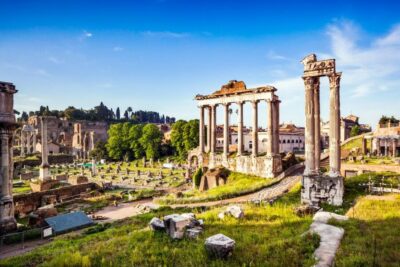
Colosseum, Roman Forum, Palatine with Multimedia Video
Read our review →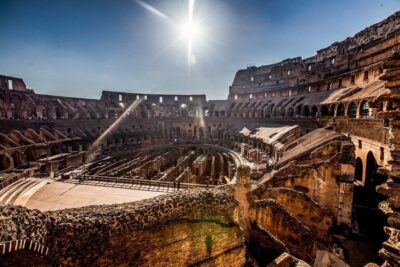
Colosseum: Underground and Ancient Rome Tour
Read our review →
Colosseum, Forum, Palatine Hill Entry & Audioguide App
Read our review →Browse the lists this tour appears in