Review · ROME TOURS
Rome: Mini hike to the ancient Parco degli Acquedotti
Rome’s ancient aqueducts are often treated as background scenery. This hike puts them at the center of the day, tracing a route from Pigneto’s local streets to the vast arches of Parco degli Acquedotti, where old engineering meets open parkland. On clear days, you may see mountains beyond the ruins.
I like two things especially: the route links real neighborhoods with a major ancient site, and guide Sal brings together Roman engineering, local history, plants, and wildlife rather than sticking to dates and names. The small group, limited to 10, should also make it easier to ask questions along the way.
The main consideration is the walk itself. Nine kilometers on uneven ground is a real hike, not a gentle stroll, and hot weather can make it harder. Bring sturdy shoes and plenty of water, and be ready for the route or timing to change if weather or other safety issues require it.
At a glance
- A 9-kilometer, one-way route starts at Pigneto metro station and finishes near Giulio Agricola on metro line A.
- The route passes several layers of Rome, from Pigneto and Via del Mandrione to Porta Furba, Torre Fiscale Park, and Parco degli Acquedotti.
- Guide Sal connects history with nature, including aqueduct construction, postwar neighborhood life, and local plants and wildlife.
- The group is capped at 10, a useful size for a walking tour with frequent stops and questions.
- Pack for a proper walk: hiking shoes, 1.5 liters of water, and weather-appropriate clothing are listed as essential.
- Expect a café break, not a meal. Food and drinks are not listed as included, so plan to cover any purchase yourself.
Starting in Pigneto, not the postcard Rome
Meet outside Pigneto metro station on line C, 15 minutes before departure. The station has two exits: one beside a Conad grocery store and one facing a bridge. The meeting point is on the bridge side, so check that you are waiting at the right exit before the group sets off.
Pigneto gives the hike a distinctly local opening. This is not a tour that begins at a famous monument and stays within the historic center. You start in a neighborhood Sal knows well, with the chance to hear about its past and present before heading toward the ancient aqueducts.
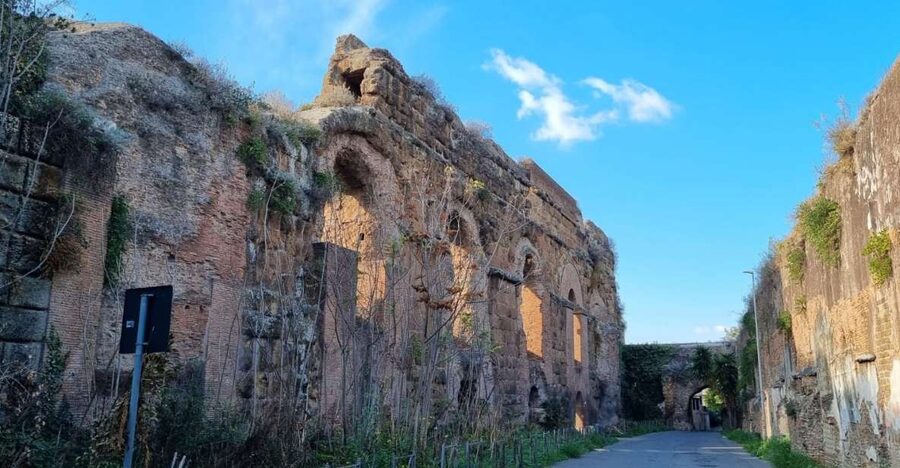
The first streets include Via del Pigneto. From there, the walk moves toward Parchetto Condiviso del Mandrione and Via del Mandrione, following an urban route that brings you closer to the old water infrastructure. The pleasure is in seeing the transition happen gradually: city streets give way to greener spaces, and traces of Rome’s working past sit beside its ancient structures.
The guide’s approach matters here. Sal’s talks are not limited to the Roman Empire. He has also discussed how people used aqueduct materials to build new lives after World War II, a reminder that these structures continued to shape the city long after their original purpose changed. That added layer makes the route more than a walk to take photographs.
More hikes in Rome:
- Rome: Hike along the ancient Appian Way
★ 5.0 · 7 reviews
Following the aqueduct toward Porta Furba
The aqueduct is the thread that ties the outing together. As you walk along Via del Mandrione, Sal explains the structures, the materials used to build them, and the role they played in Roman life. The supplied route does not promise a stop inside a specific monument or a detailed look at one named aqueduct, so think of this as a guided walk through the area rather than a museum-style visit.
Porta Furba, also known as the Arch of Sixtus V, is one of the named stops. Here, the itinerary makes room for the city’s later history as well as its Roman past. The name itself points to a changing Rome, where structures and routes were reused and adapted over centuries.
This stretch is a good reason to choose a guide rather than simply walking the route with a map. Aqueduct remains can be impressive, but their scale and purpose are easier to grasp when someone explains what you are looking at. Sal’s range of interests, including engineering and local history, gives him room to connect the stones with the people and neighborhoods around them.
A café pause before Torre Fiscale Park
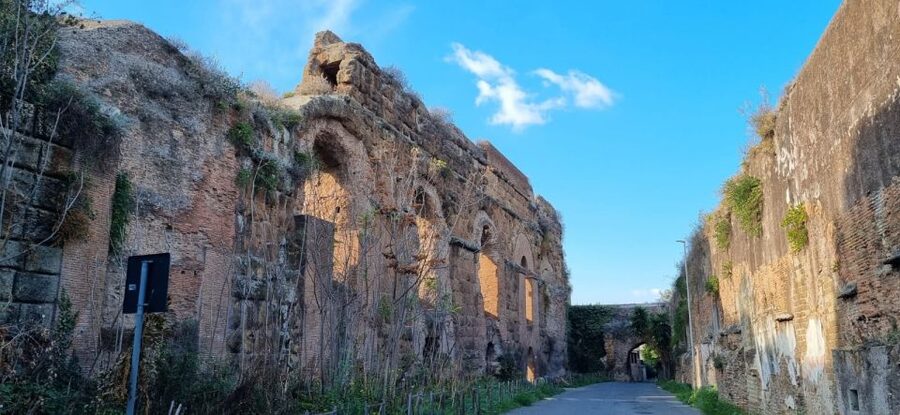
A break at a local café interrupts the walk before the route continues to Torre Fiscale Park. It is a practical pause on a three-hour outing, especially in warm weather, but the cost of any food or drink is not listed as part of the tour. Bring water regardless; the required amount is 1.5 liters, and the guide has helped hikers refill bottles during hot conditions.
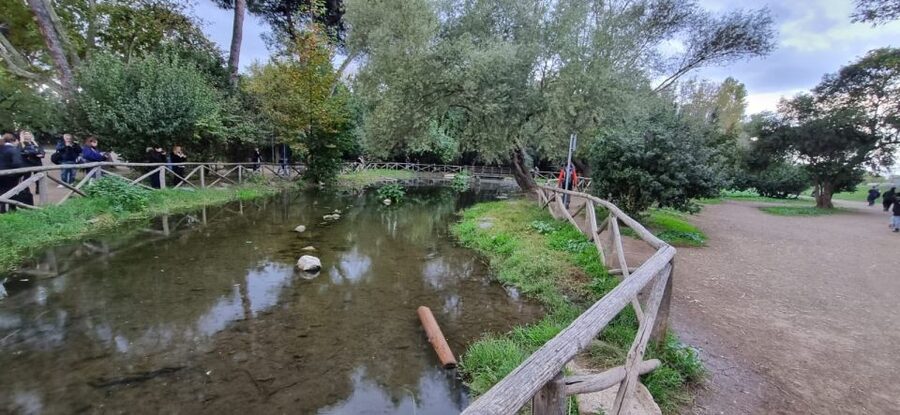
Torre Fiscale Park is a turning point in the feel of the walk. You leave more of the street-level route behind and enter a setting where the aqueducts and natural surroundings take up more of your attention. The tour’s appeal lies in that contrast: Rome’s infrastructure is not isolated behind a fence, but woven into parks and open ground.
The pace and exact route can vary. Weather, fallen trees, or other safety concerns may lead the professional guide to shorten, extend, or alter the outing. That flexibility is sensible on a route that includes uneven terrain, but it means you should not treat the advertised three hours as a precise finish time.
The wide arches of Parco degli Acquedotti
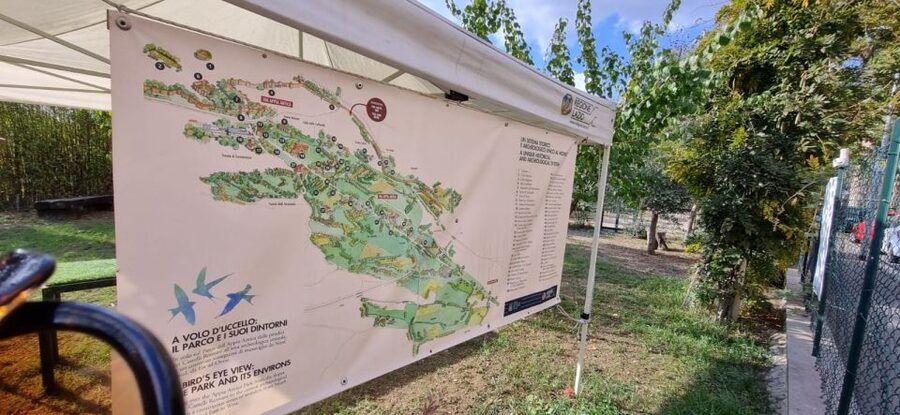
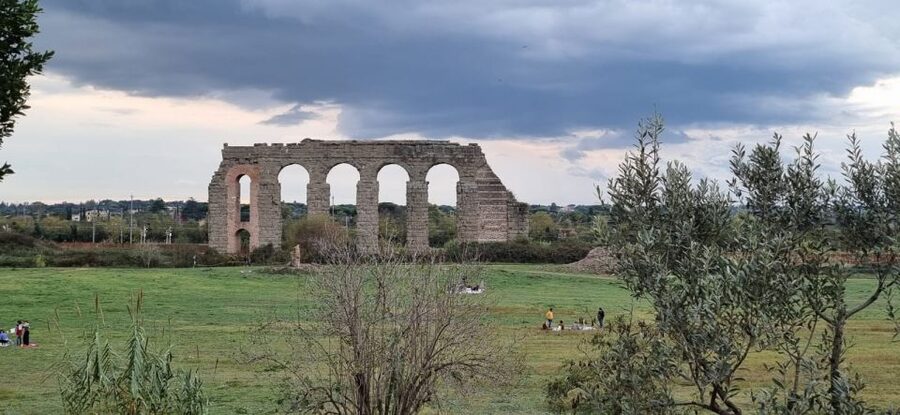
The final stretch brings you to Parco degli Acquedotti, the highlight of the outing. Here, monumental aqueduct remains rise above open parkland, creating the striking mix of ancient architecture and nature that the hike is built around. In good weather, mountains form a backdrop beyond the arches.
This is a place to look both close and far. The arches reward attention to their scale and construction, while the long views show how the structures sit within a much larger open area. The range of perspectives makes the park a strong stop for photography, from close details of the masonry to broad views that follow the aqueduct across the grass.
The park also makes clear why this experience is more than a history lesson. Sal brings together the environmental and cultural sides of Rome, including flora and fauna alongside engineering and urban history. You get a better sense of how nature and human construction occupy the same space, rather than seeing the aqueducts as relics cut off from the modern city.
The walk ends at Via Lemonia, 214, near the Giulio Agricola metro station on line A. This is a one-way route, not a loop, so think ahead about where you need to go after the hike. The finish point gives you access to a different metro line from the one you used to reach Pigneto.
More tours and experiences in Rome:
- Vatican: Museums & Sistine Chapel Entrance Ticket
★ 4.5 · 144,003 reviews - Vatican Museums & Sistine Chapel Tour with Optional Basilica
★ 4.3 · 67,413 reviews - Colosseum, Roman Forum & Palatine Guided Tour
★ 4.7 · 63,148 reviews - Vatican Museums, Sistine Chapel & St Peter’s Basilica Guided Tour
★ 4.5 · 39,149 reviews
Who will get the most from this hike
I would choose this outing if you have already seen some of Rome’s headline sights and want a different kind of afternoon. It offers a look at neighborhoods and green spaces that many short city visits miss, while still delivering a memorable ancient site. You also get a guide who can connect Roman engineering with more recent neighborhood history and the natural world.
It suits active adults and families with older children who are comfortable walking several miles. The information says children aged 14 and older must be accompanied by an adult, while children under 12 are not suitable. There is no clear age guidance for children aged 12 or 13, so ask the provider before booking if that applies to your group.
This is not a suitable choice for wheelchair users or for people with heart problems or respiratory issues, according to the activity’s restrictions. The moderate rating, 9-kilometer distance, and uneven surface are worth taking seriously even if you usually enjoy city walks. Sandals and flip-flops are not allowed; hiking shoes are the safest choice, particularly after rain.
Is $53 good value?
At $53 per person, this is not simply a paid walk through a public park. The price covers a three-hour guided route, a professional guide, and a small group capped at 10. The value depends on whether you want context and company along the way: a self-guided visit to the park may cost less, but it will not give you Sal’s explanations of the aqueducts, neighborhood history, and natural surroundings.
The route also turns the journey into part of the experience. Instead of taking the metro straight to the park, you walk from Pigneto, pass through several districts and parks, and see the shift from urban streets to open space. That makes the outing a better fit for someone who enjoys walking and learning than for someone who wants only a quick look at the aqueducts.
A café break is included in the schedule, but food and drink are not listed among the inclusions. The tour includes the guided hike and professional guide; bring your own water and budget separately for anything you buy during the pause. Free cancellation up to 24 hours in advance and a reserve-now, pay-later option add flexibility if your plans are still taking shape.
Practical details before you go
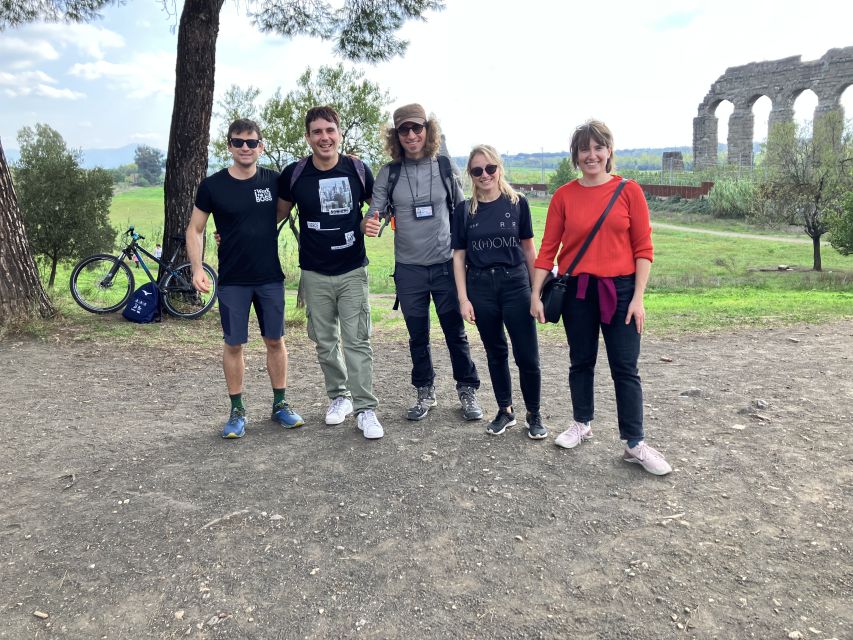
Wear comfortable walking shoes, ideally hiking shoes. The route includes uneven ground, and the guidance specifically recommends hiking footwear, especially on or after rainy days. Sandals and flip-flops are not allowed.
Carry 1.5 liters of water, plus a raincoat, sun protection, and a hat that can help in sun or rain. A comfortable backpack and trail snacks are recommended; hiking poles, electrolytes, and sunglasses are optional. Rome can be very hot in summer, so do not assume a city walk requires less preparation than a countryside hike.
The tour runs rain or shine, but the guide may alter the route or duration for weather or safety. It is offered as a small-group experience, with English and German listed for live guiding. The activity details also name Italian among the language options, so confirm the language available for your date if that matters to you.
Book this hike if you want Roman history with room to breathe, enjoy a moderate walk, and are curious about the city beyond its central monuments. It is especially appealing if you value a guide who connects engineering, local life, and nature. Skip it if you need a flat, short outing or want to spend the afternoon inside a single archaeological site.
FAQ
How long is the hike?
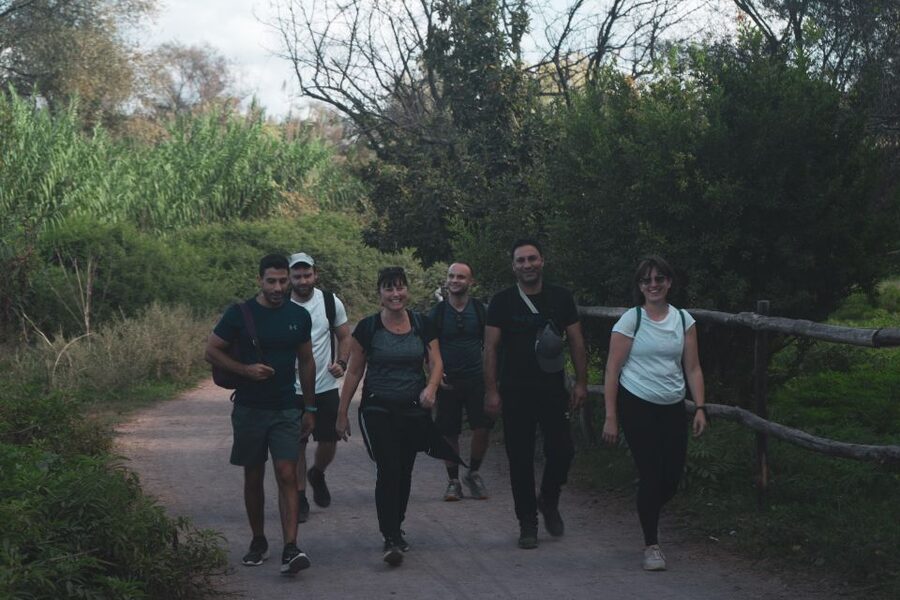
The experience is scheduled for three hours and covers about 9 kilometers, or 5.5 miles. The final duration and route can change because of weather, obstacles, or safety needs.
Where does the hike start and finish?
It starts outside Pigneto metro station on line C, at the exit facing a bridge. It finishes at Via Lemonia, 214, near Giulio Agricola station on line A.
How difficult is the walk?
It is rated moderate and includes uneven terrain. Comfortable walking shoes are required, with hiking shoes recommended, especially after rain.
What should I bring?
Bring hiking shoes, 1.5 liters of water, and clothing suited to an urban hike. A backpack, raincoat, sunscreen, hat, and trail snacks are recommended.
Is the tour suitable for children?
Children aged 14 and older must be accompanied by an adult, and children under 12 are listed as unsuitable. The information does not specify the rule for ages 12 and 13, so check with the provider.
What languages are available?
English and German are listed for live guiding. Italian is also named among the experience language options, so confirm availability for your chosen date.
Does the tour run in the rain?
Yes, it is scheduled to run rain or shine. The guide may change or shorten the route for weather or other safety reasons.
Can I cancel for a refund?
You can cancel up to 24 hours in advance for a full refund. A reserve-now, pay-later option is also available.
Newly reviewed in Rome
- Rome: Neapolitan Pizza Cooking Class in Front of the Vatican★ 4.8 · 137 reviews
- Rome: St. Paul’s Within the Walls New Year’s Concert Ticket★ 4.4 · 35 reviews
- Rome: Navona Underground & Domitian Stadium Guided Tour★ 4.6 · 36 reviews
- Rome: Navona Square and École Française Underground ticket★ 3.9 · 160 reviews
- Rome: Monuments and Belvederes Bike Tour★ 4.7 · 26 reviews
- Rome: Musical Biography of Frank Sinatra Concert★ 3.9 · 100 reviews
- Rome: Monti Neighborhood Lunch or Dinner Food Tour★ 4.9 · 8 reviews
- Rome: Monti Street Food Tour★ 4.5 · 14 reviews
Rome Tours, compared.
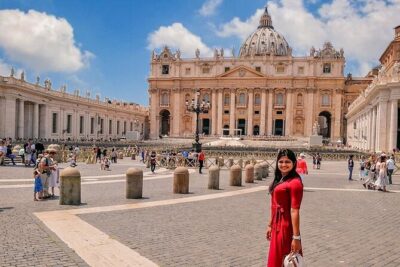
Vatican: Museums & Sistine Chapel Entrance Ticket
Read our review →
Vatican Museums & Sistine Chapel Tour with Optional Basilica
Read our review →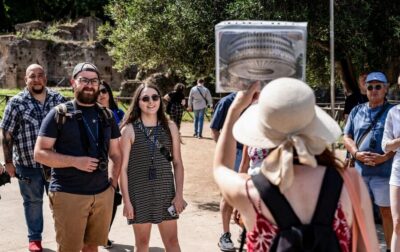
Colosseum, Roman Forum & Palatine Guided Tour
Read our review →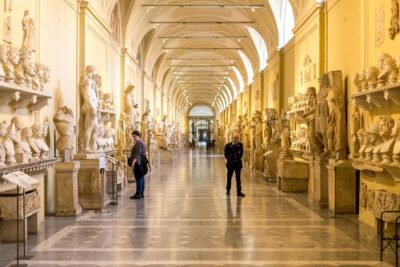
Vatican Museums, Sistine Chapel & St Peter’s Basilica Guided Tour
Read our review →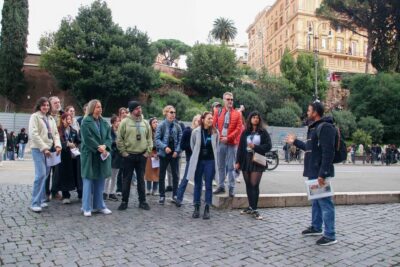
Colosseum & Forum with Audio Guide App -Optional Arena
Read our review →
Pantheon Fast-Track Ticket and Official Audio Guide
Read our review →
City Sightseeing Hop-on Hop-off Bus with Audioguide
Read our review →