
Review · TREVI FOUNTAIN TOURS
Rome: Trevi Fountain District Underground Tour and Ice Cream
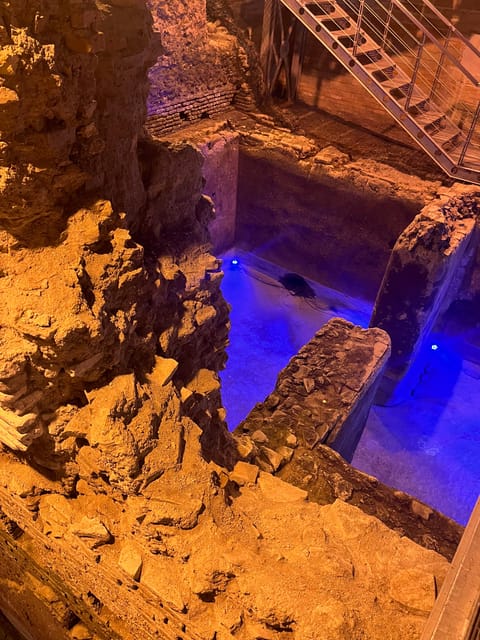
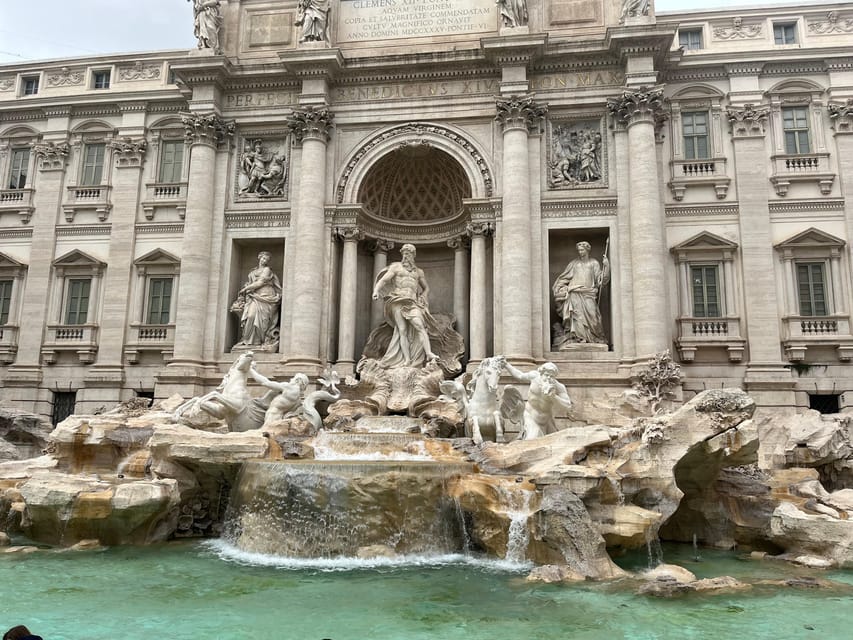
Trevi Fountain is only the showy top layer of this story. Beneath the district, Vicus Caprarius preserves Roman buildings, water channels and finds from centuries of life in the city. This one-hour tour connects the famous fountain above with the ancient water system below.
I like two things in particular: the chance to see how Roman water engineering worked in a real archaeological site, and the guides’ lively explanations, which help make a compact set of ruins feel meaningful. The gelato voucher is a welcome finish, too, with the freedom to redeem it at a nearby historic shop.
One consideration: the underground area is small, and the Trevi stop is brief. The fountain can be crowded, and this is not a long, close-up exploration of its sculpted details. Choose it for archaeology and water history, not for an in-depth fountain tour.
What to know before you book
- Vicus Caprarius is the main event: Spend about 40 minutes in the excavated site beneath the Trevi District.
- Roman water is the connecting thread: Learn how the Virgo aqueduct supplies the fountain and how water passes through the ancient masonry.
- The finds are specific and memorable: Look for the head of Alessandro Helios, colorful marble, a cache of about 800 coins and an African oil amphora called a Spatheion.
- The Trevi stop is short: The guided visit at the fountain lasts about five minutes, with access in the busy public square.
- Guide quality shapes the visit: Guides including Carla, Erika, Noemi and Alessia have been praised for clear explanations, humor and patience with children.
- Gelato is included, but served separately: You receive a voucher to use at a nearby historic shop, rather than being led through a sit-down tasting.
Beneath Trevi, Rome’s water story takes shape
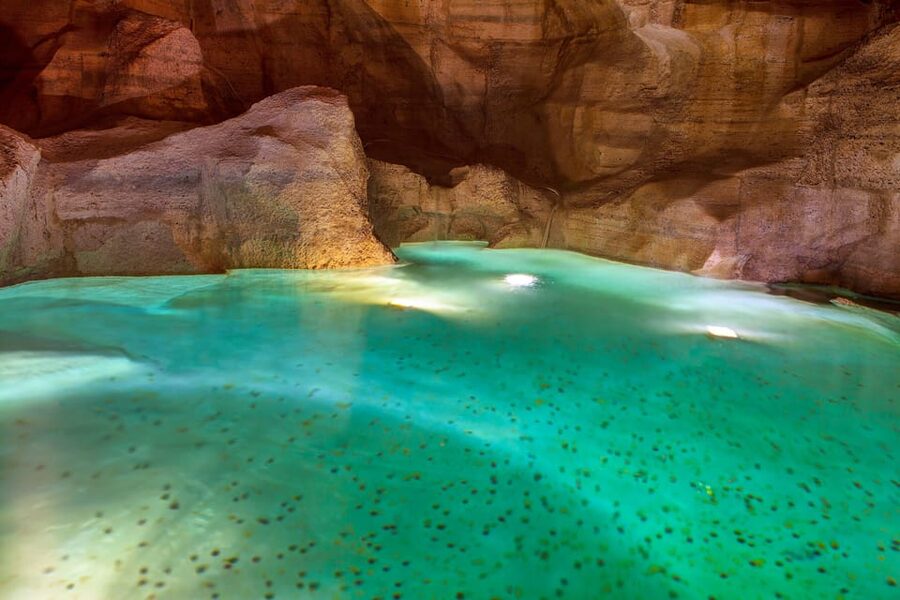
The appeal of this tour is the change in viewpoint. At street level, Trevi Fountain is a grand Baroque landmark and a magnet for cameras. Below ground, the same district reveals older layers: the remains of Roman buildings and the water infrastructure that helped make the city work.
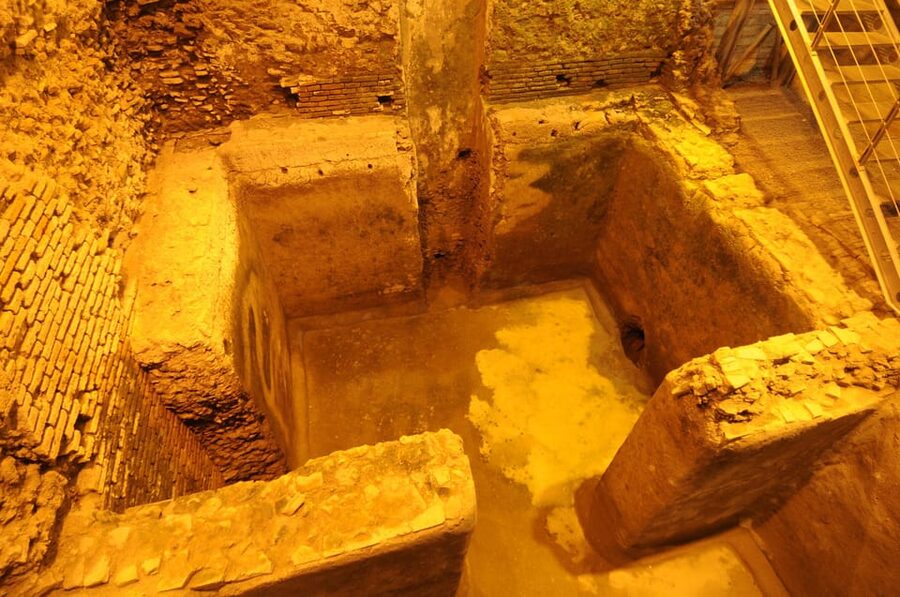
Vicus Caprarius is sometimes called the City of Water. That name makes sense once you see the underground channels and learn how water moves through the site. The guide explains the relationship between the archaeological area, the Virgo aqueduct and the fountain, giving you a practical link between the famous monument and the less visible engineering beneath it.
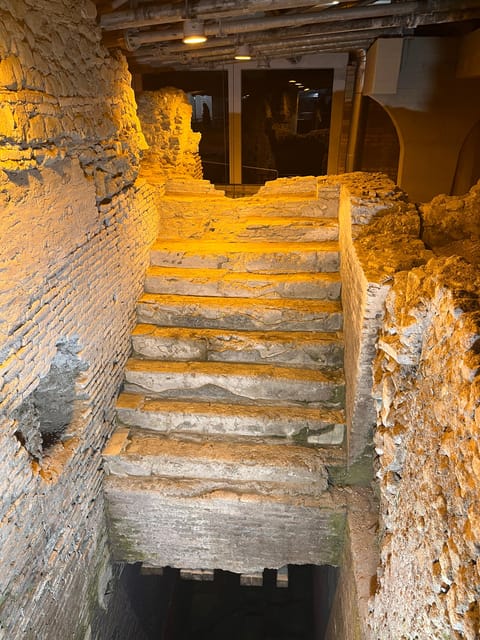
That context is useful even if you have already visited Rome’s major ruins. The site is not a grand complex on the scale of the Colosseum or the Forum. It is a compact excavation, and its value lies in seeing the layers up close while someone explains what you are looking at. Without that explanation, ancient masonry can look like a jumble of walls. With it, you can start to picture how buildings, water and daily life fitted together.
More Trevi Fountain tours in Rome:
- Rome: Trevi Fountain and Underground Guided Tour
★ 4.3 · 1,664 reviews - Rome: Opera Concert at Palazzo Poli – Fontana di Trevi
★ 4.7 · 1,026 reviews - Best of Rome Walking Tour including Trevi Fountain
★ 4.5 · 923 reviews
At Vicolo del Puttarello, the city drops away
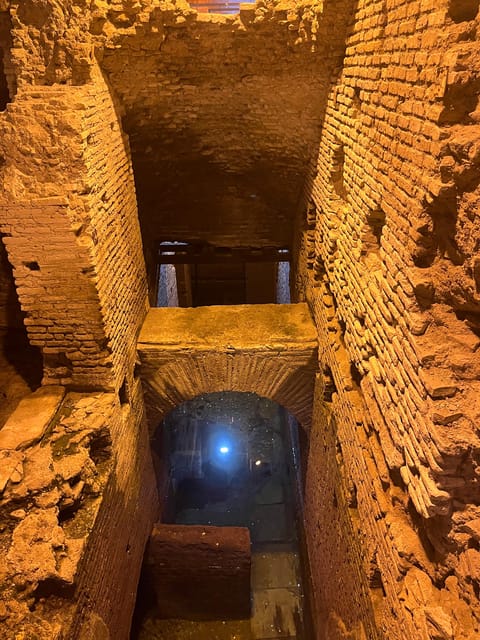
The meeting point is at Vicolo del Puttarello, 25, near the Trevi area. Arrive at least 15 minutes before your selected start time. That extra margin is useful here: the streets around the fountain can be crowded, and one visitor noted that the number of people in the area made it harder to reach the meeting point on time.
The underground visit takes about 40 minutes, making it the clear center of the tour. You enter the Vicus Caprarius archaeological area with a guide, who introduces the excavation and points out the remains of an ancient residential complex. The site includes parts of a luxurious Domus residence, where water continued to play a role long after the buildings were first constructed.
You will see how the fountain’s water filters through ancient masonry and continues to supply pipes and pools associated with the Domus. That ongoing connection gives the tour an unusually tangible quality: Roman infrastructure is not only a story about the past. Water still travels through parts of the old system.
The physical scale is worth understanding before you go. This is a small archaeological site, so you should not expect a sprawling underground route or a long walk through tunnels. The advantage is that you can get close to the remains and spend time noticing details. The trade-off is that the visit depends heavily on the guide’s ability to explain the setting, rather than on the size of the ruins alone.
Coins, marble and a Roman oil jar
Among the discoveries described during the visit are polychrome marble coverings, the famous head of Alessandro Helios, a hoard of about 800 coins and a Spatheion. The Spatheion is a distinctive African amphora used to transport oil. These objects help make the excavation more than a tour of walls: each hints at the materials, trade and daily routines that shaped this part of Rome.
The coins are a particularly effective detail. A collection of around 800 pieces makes the ancient past feel less abstract, while the guide can set the finds within the larger story of the district. The marble coverings, meanwhile, point to the decoration of an affluent residence. Look for the contrast between the everyday infrastructure of water and the more polished interiors it served.
The guide’s role matters here. Tours have been led by guides including Carla, Erika, Noemi, Alessia and Viola. The strongest guiding style combines clear explanations with a sense of humor, and several guides have also been praised for answering questions and keeping children engaged. You cannot choose a particular guide when booking, but the tour’s subject rewards a guide who can explain the layers in plain language.
Some visitors come expecting the fountain to be the main subject and find that the tour leans more toward archaeology and the water system. That is a fair expectation to reset. You will learn about the fountain and its water, but most of the guided time is spent underground, not studying the Baroque façade.
Five minutes at the Trevi Fountain
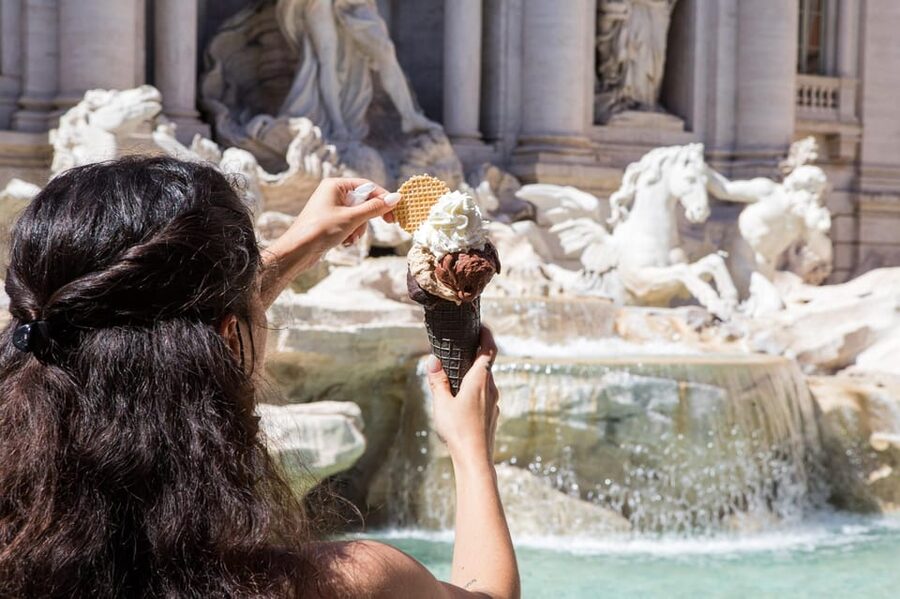
After the underground visit, the group heads to Trevi Fountain for a short guided stop of about five minutes. The fountain is the largest Baroque fountain in Rome, and its scale and sculpted surface make more sense when you know that the water feeding it has a much older story.
The fountain area is often crowded. The tour includes a Trevi Fountain access ticket, but do not mistake that for a quiet or private viewing. The stop may be from the public side of the square, among the crowd, rather than a chance to stand right beside the water. One visitor specifically expected a closer visit and found the group viewed it from the central plaza. That limitation does not make the stop pointless, but it does mean you should plan a separate visit if you want more time for photographs or a closer look.
The guide may explain details of the fountain’s exterior and offer tips for getting a good picture. Some tours have also included practical nearby recommendations. Still, the five-minute stop is a brief orientation, not a full fountain history walk. If the fountain is a major priority for you, allow extra time to return independently.
More dessert tours in Rome:
- Rome: Pasta Making Class with Wine, Limoncello, and Dessert
★ 4.9 · 3,177 reviews - Rome Cooking Class: Make Pizza and Pasta with Wine & Dessert
★ 4.5 · 651 reviews - Rome: City Tour by Vespa with Pictures and Sweets Tastings
★ 5.0 · 180 reviews - Rome: Fresh Pasta Making and Tiramisu Dessert Master Class
★ 4.8 · 11 reviews
Gelato, with a voucher in hand
The tour finishes with Italian gelato from a historic shop near Trevi Fountain. Rather than sitting down as a group, you receive a voucher and go to the shop yourself. That gives you some flexibility about when to use it, and you can enjoy the gelato after the guided portion instead of trying to eat while keeping pace with a group.
The treat is a pleasant addition, but it should be understood as a modest extra, not the main reason to book. The tour’s real value is the underground site and the guide’s interpretation. Still, a good gelato after an hour of Roman history is a sensible way to end, especially on a hot day. The underground visit itself is also a cooler change of scene when summer temperatures climb.
Is $52 good value for an hour?
At $52 per person, this is a short, focused tour rather than a budget way to spend half a day. The price includes assistance, reserved entry to Vicus Caprarius, the guided underground visit, a Trevi Fountain access ticket and gelato. You are paying for entry to a small archaeological site and for a guide who can make its remains legible.
I think the value is strongest if you enjoy Roman archaeology, ancient engineering or learning how water shaped the city. The site is small, but the explanation adds substance that you might miss on your own. If you already know the basics of Roman aqueducts and prefer large monuments, you may find the hour less compelling.
The price also buys a tidy change of pace from Rome’s open-air sights. The underground section can be a relief during hot weather, and the route is short enough to fit between other activities. On the other hand, you should not book it expecting skip-the-line entry at the fountain or an extended visit there. Hotel pickup and drop-off are not included.
Who will enjoy this tour most?
I would recommend this for curious first-time visitors who want to understand more than the postcard view of Trevi. It is also a good fit for anyone drawn to Roman infrastructure, archaeology and the way historic buildings were supplied with water. If you have visited Rome before, the underground setting offers a fresh angle on a familiar district.
Families may find it rewarding if children can manage the short, guided visit and enjoy looking at ancient objects. Guides have been praised for trying to keep active children involved, but the tour is still history-focused, so a child who needs constant movement may find the small site less engaging.
The tour is not suitable for wheelchair users or people with mobility impairments. Comfortable shoes are recommended. English is the listed tour language, and the duration is about one hour.
Should you book it?
Book this if you want a compact, well-explained look at the Roman water system beneath Trevi, and you like the idea of pairing archaeology with the famous fountain and a gelato stop. The guides are a major part of the appeal: Carla, Erika, Noemi and Alessia are among the names associated with clear, engaging tours.
Skip it if you want a long architectural tour of the fountain itself, a large underground complex or a visit focused mainly on the Baroque monument. For the right visitor, though, Vicus Caprarius is a smart way to see Rome from a different level, literally, and to leave with a better understanding of the water flowing through the city.
FAQ
How long does the tour last?
The tour lasts about one hour. The guided visit at Vicus Caprarius takes around 40 minutes, followed by a short stop at Trevi Fountain.
What is included in the price?
The price includes assistance, reserved entry to Vicus Caprarius, a guided tour there, a Trevi Fountain access ticket and Italian gelato.
What language is the tour in?
The live tour guide speaks English.
Where is the meeting point?
The meeting point is at Vicolo del Puttarello, 25. Arrive at least 15 minutes before your selected start time.
Is the tour suitable for wheelchair users?
No. The activity is listed as unsuitable for wheelchair users and people with mobility impairments.
Is hotel pickup included?
No. Hotel pickup and drop-off are not included.
Newly reviewed in Rome
- Rome: Neapolitan Pizza Cooking Class in Front of the Vatican★ 4.8 · 137 reviews
- Rome: St. Paul’s Within the Walls New Year’s Concert Ticket★ 4.4 · 35 reviews
- Rome: Navona Underground & Domitian Stadium Guided Tour★ 4.6 · 36 reviews
- Rome: Navona Square and École Française Underground ticket★ 3.9 · 160 reviews
- Rome: Musical Biography of Frank Sinatra Concert★ 3.9 · 100 reviews
- Rome: Monuments and Belvederes Bike Tour★ 4.7 · 26 reviews
- Rome: Monti Neighborhood Lunch or Dinner Food Tour★ 4.9 · 8 reviews
- Rome: Mini hike to the ancient Parco degli Acquedotti★ 4.9 · 9 reviews
Trevi Fountain Tours, compared.


Opera Concert at Palazzo Poli – Fontana di Trevi
Read our review →
Best of Rome Walking Tour including Trevi Fountain
Read our review →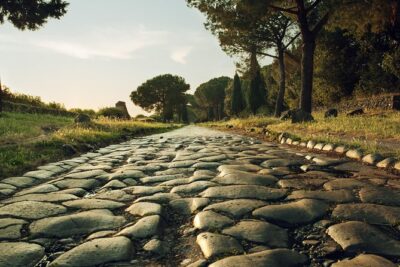
Catacombs Tour with Transfer – Optional Capuchin Crypt or Trevi
Read our review →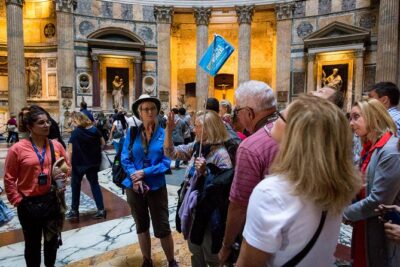
Rome Walking Tour with Piazza Navona, Trevi Fountain and Pantheon
Read our review →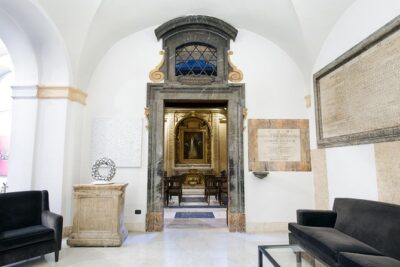
The Great Opera Arias Concert at Palazzo Poli – Trevi Fountain
Read our review →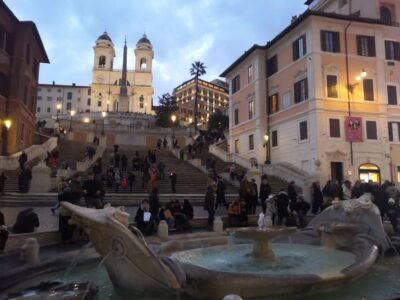
Spanish Steps, Trevi, Navona and Pantheon Sunset Tour
Read our review →
Trevi Fountain, Pantheon, and Campo Dei Fiori Market Food and Wine Tour
Read our review →Browse the lists this tour appears in