
Review · ROME FAMILY TOURS
Renaissance Women of Caravaggio and the Borgia Family
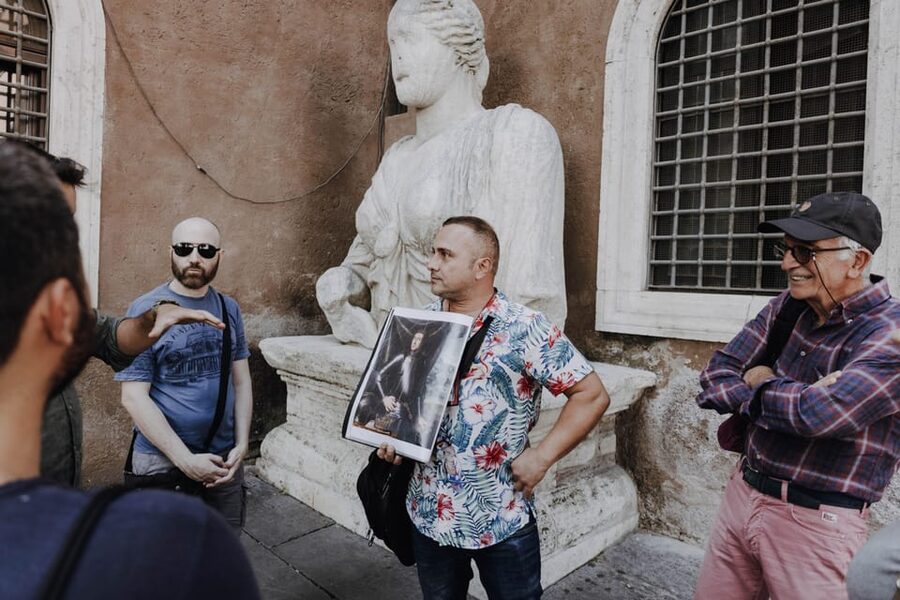
Rome’s famous paintings have a way of making their women seem still and silent. This walk gives them lives, ambitions, and complicated choices. I like its focus on seven women whose stories connect art to power, and I like that guide Massimo tells those stories on the streets and inside churches where Renaissance Rome still feels close at hand.
The main trade-off is that this is a story-led walk, not a standard art tour or a visit to a major museum collection. You’ll cover central Rome on foot for three hours, and church dress rules apply, so wear comfortable shoes and cover your shoulders.
What makes this walk worth your time
- Seven women take center stage: Hear stories about Renaissance courtesans and other women connected to artists, political families, and Rome’s social life.
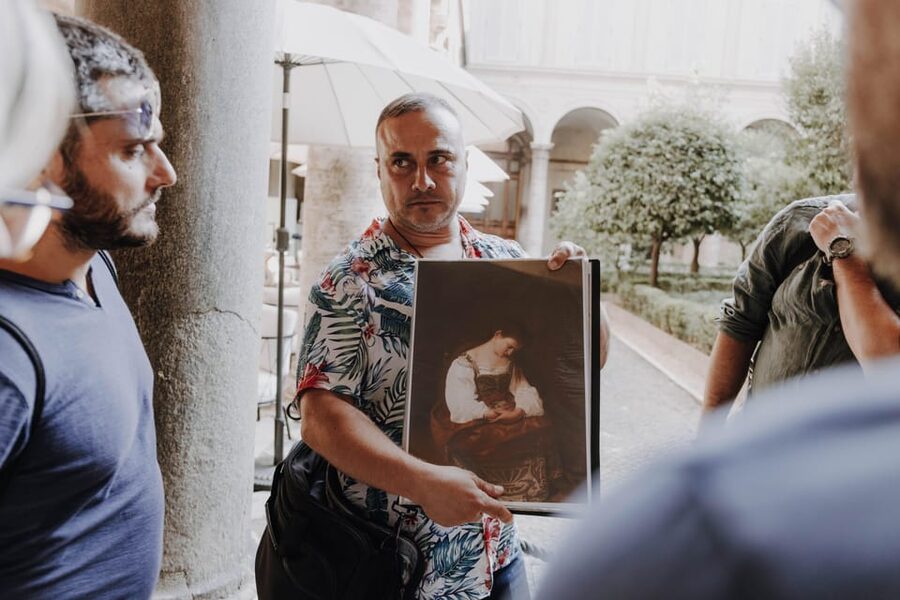
- Art gets a human backstory: The tour links women to works associated with Caravaggio and Raphael, and explores how real people became artistic subjects.
- Churches are part of the route: Sant’Agostino, Santa Maria sopra Minerva, and Santa Maria della Pace bring the stories into the places where art and religious life meet.
- The route mixes grand and everyday Rome: Starting near Piazza Venezia, you pass the Galleria Doria Pamphilj and other city-center sights, including lesser-known historic homes.
- The finish suits a slow evening: The walk ends at Piazza Farnese, where you can choose to linger for dinner or a glass of wine.
- Plan for church dress rules: Keep your shoulders covered and choose shorts or a skirt that ends around the knee. Entry can be refused if you’re dressed inappropriately.
A different way to read Renaissance Rome
This tour’s central idea is simple and useful: the women in famous Renaissance paintings were not just decorative figures. They lived in a world where formal education and public power were often closed to women, yet some found ways to build influence through their social position, intelligence, artistic connections, and relationships with powerful men.
The tour focuses on seven women described as courtesans, or “Scarlet Ladies,” whose lives intersected with artists and the Borgia family. That framing promises scandal, but the appeal is broader than gossip. You’ll hear about women who had to make sharp choices in a society that offered them few conventional routes to authority.
I especially like the way this subject can change how you look at a painting afterward. Instead of seeing only a beautiful face, you can ask who the woman was, how she earned a place in the artist’s world, and what power she may have had beyond the frame. The walk connects those questions to Rome itself, rather than leaving them as abstract art history.
Expect a lively tone, with wit and dramatic detail. But the stories also include political pressure, unequal power, and difficult lives. The best version of this tour is not just a string of spicy anecdotes. It’s a way to see how art, money, status, and women’s choices shaped one another.
More family-friendly tours in Rome:
- Colosseum and Roman Forum Tour for Kids and Families
★ 5.0 · 446 reviews - Colosseum and Ancient Rome Family Tour for Kids
★ 4.8 · 316 reviews - Rome: Moonlight Walking Tour – Free for Kids
★ 4.7 · 261 reviews
Starting beneath Trajan’s Column
Meet the guide beside Trajan’s Column, a 90-foot landmark next to Piazza Venezia. The guide holds a sign reading Renaissance Scarlet Ladies Tour, which gives you a clear landmark in a busy central area.
Piazza Venezia is a practical starting point because it puts you in the middle of Rome’s historic center. From here, the route moves through streets lined with layers of Roman and Renaissance history. You won’t be sitting in a lecture hall or looking at a slide show. The city’s buildings, churches, and old homes provide the setting for the stories.
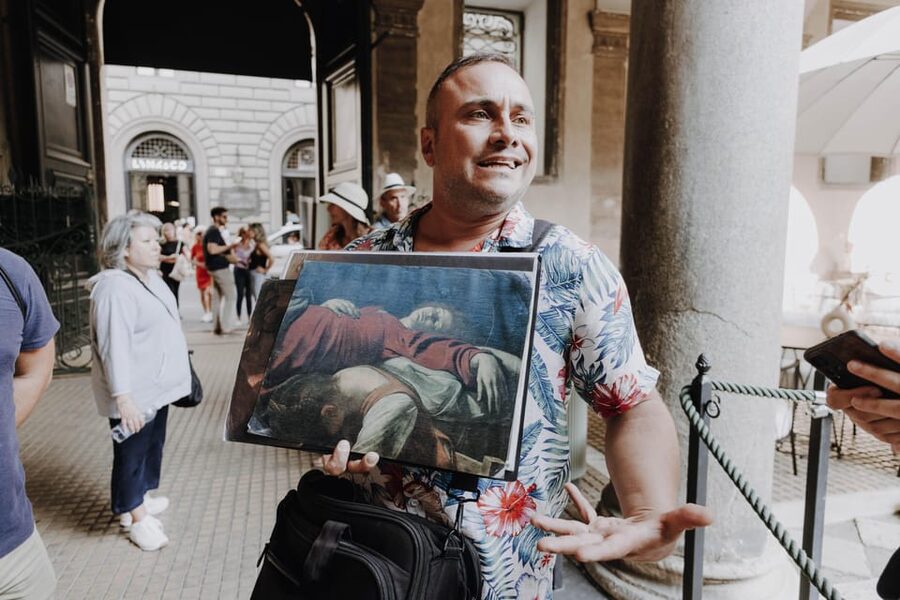
Massimo is the named guide associated with the tour, and the storytelling is a big part of what you’re paying for. He is described as energetic and funny, with a strong interest in the subject. That matters on a tour built around people and ideas rather than a single monument. A good guide can make details about a portrait, a family alliance, or a woman’s reputation feel connected instead of scattered.
Churches where the stories meet the art
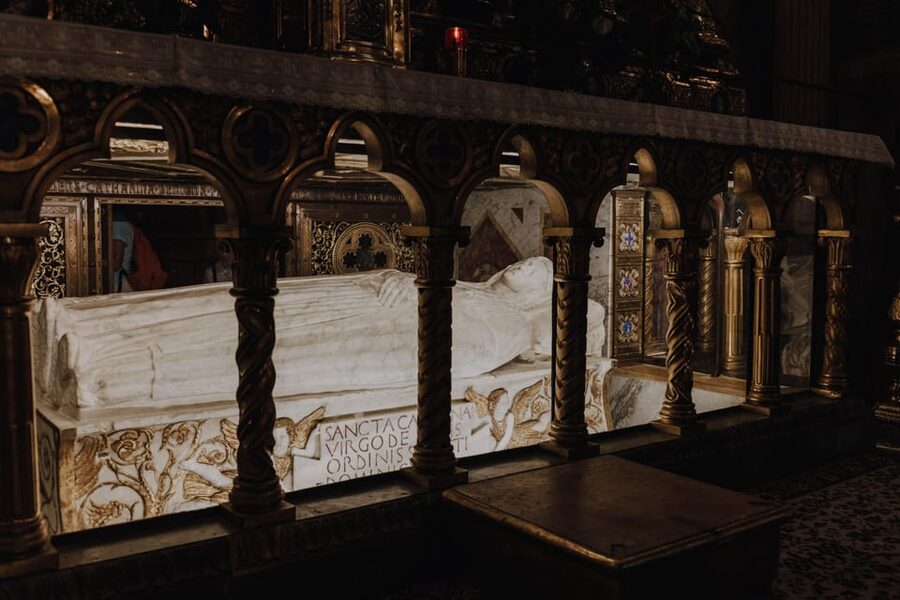
The walk includes Sant’Agostino, Santa Maria sopra Minerva, and Santa Maria della Pace. These church visits add something that a street-only route would miss: you can connect the women’s stories to the sacred spaces and artworks that have carried their images into the present.
Santa Maria sopra Minerva is one of the named stops in the historic center. Sant’Agostino and Santa Maria della Pace also place the tour among the churches and artistic settings that help explain Renaissance Rome’s close ties between religion, patrons, and artists. The precise order of the stops is not specified, so think of these as part of the route rather than a guaranteed sequence.
Churches are active religious spaces, not simply indoor attractions. Be ready to enter quietly and follow local rules. Shoulders must be covered, including the tops of the arms. The guidance allows shorts or skirts ending just above the knee, but short skirts are not allowed; to avoid confusion at the door, dress modestly and keep your hem near the knee.
The walk also passes the Galleria Doria Pamphilj and other central sights. The point is not to spend the afternoon inside every landmark. Instead, the route uses Rome’s architecture as a backdrop while Massimo links places to the women and events being discussed. That gives you a broader sense of how Renaissance life occupied the same streets you’re walking today.
The homes and streets behind the portraits
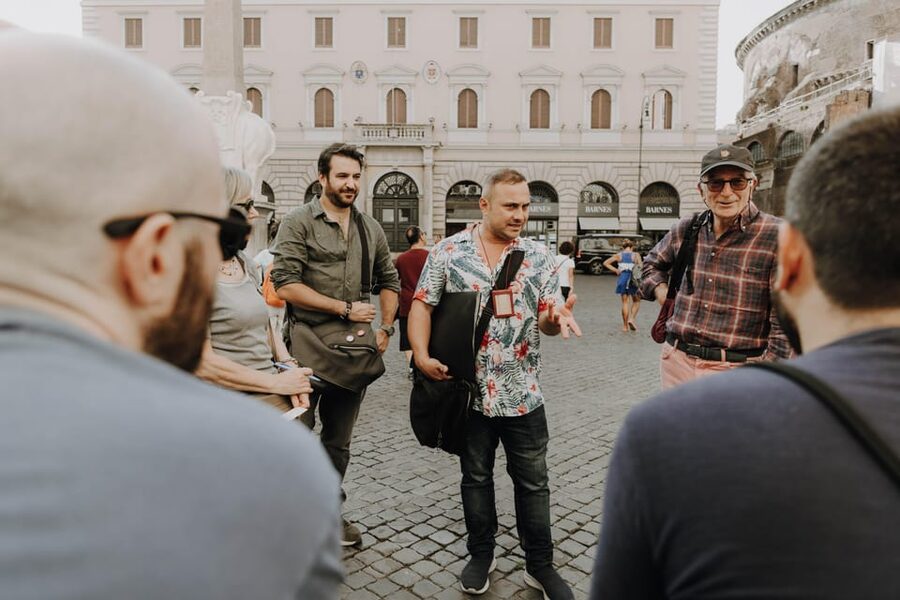
Some of the most evocative stops are the still-standing 16th-century homes connected with the tour’s stories. These are not just pretty façades. They help make the women’s lives feel less remote, especially when the conversation turns from famous artists to the places where people lived, met, negotiated, and built relationships.
The tour’s route takes in both familiar landmarks and less obvious details. That balance suits visitors who have already seen Rome’s headline sights and want a new way to understand the center. Even if this is your first visit, the focus gives you a useful thread to follow through a city that can otherwise feel like one grand monument after another.
The stories are also linked to popular films and television, but the emphasis is on historical people and the works they inspired. If you’re used to screen versions of Renaissance figures, you may appreciate the chance to hear a less theatrical account grounded in art, politics, and the evidence left in Rome.
More tours and experiences in Rome:
- Vatican: Museums & Sistine Chapel Entrance Ticket
★ 4.5 · 144,003 reviews - Vatican Museums & Sistine Chapel Tour with Optional Basilica
★ 4.3 · 67,413 reviews - Colosseum, Roman Forum & Palatine Guided Tour
★ 4.7 · 63,148 reviews - Vatican Museums, Sistine Chapel & St Peter’s Basilica Guided Tour
★ 4.5 · 39,149 reviews
Three hours on foot, with time for a pause
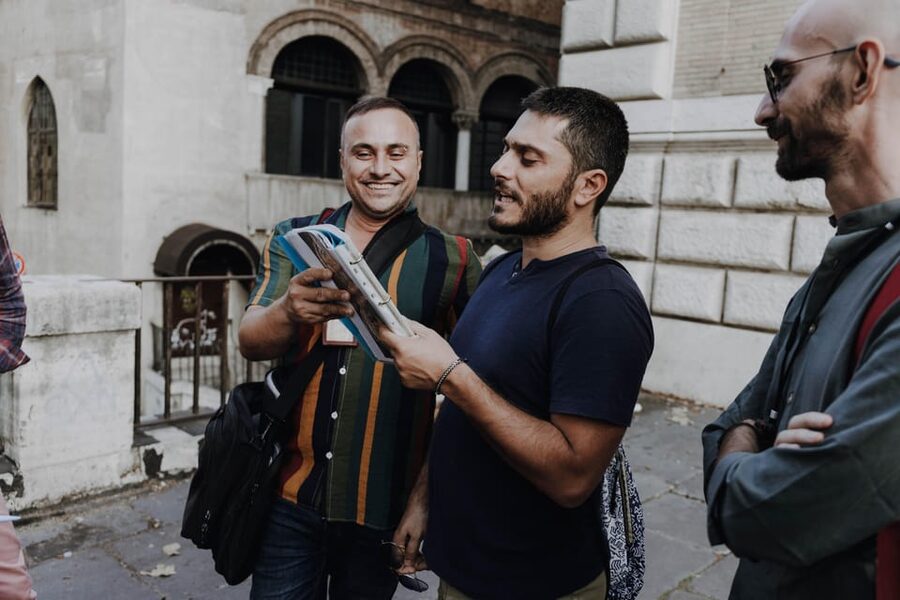
The tour lasts three hours, so treat it as a proper half-day activity. Wear comfortable walking shoes, bring water, and leave room in your schedule afterward. The route covers a sizeable part of the city center, and the churches add indoor stops to the walk.
A short break can be included partway through. Any snack or drink is at your own expense, so bring a little spending money if you’d like to pause for a coffee or something small. The break is optional, which means the pace may depend on the group and the guide’s plan.
The activity is listed as wheelchair accessible. Since the tour includes walking through historic streets and entering churches, it’s sensible to confirm any specific access needs before booking. The provided details do not spell out the surface conditions or access arrangements at each stop.
Is $44 a fair price?
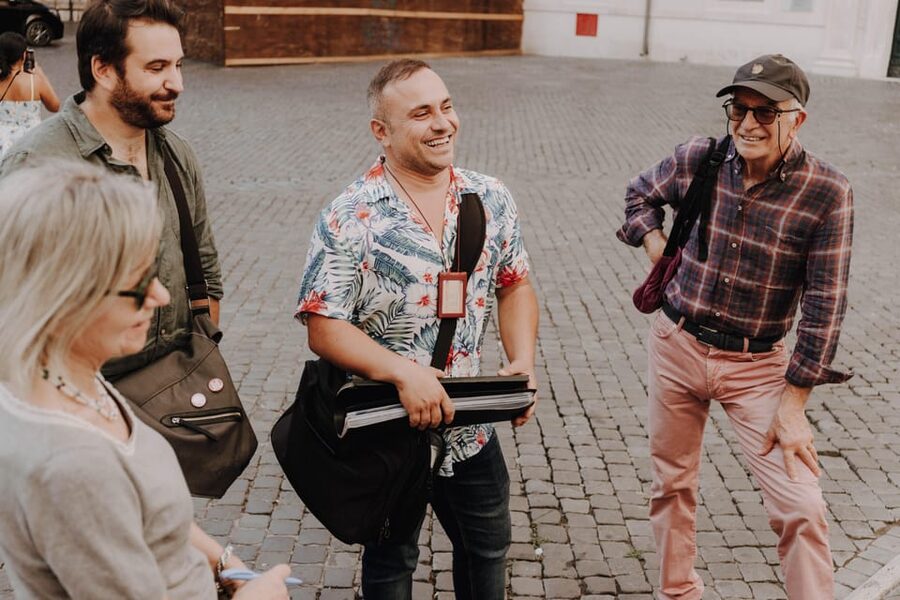
At $44 per person, you’re paying for a three-hour guided walk with a focused subject, not an admission bundle to museums or a meal. The value depends on whether you enjoy stories and context. If you want a guide to connect paintings, political intrigue, women’s lives, and Rome’s streets, the price is reasonable for a half-day experience.
It may be less appealing if you mainly want to see major artworks at length or prefer a conventional tour organized around famous monuments. The walk’s strength is its narrow theme. You get a different lens on familiar places, not a comprehensive survey of Renaissance art.
Booking terms offer flexibility: you can reserve now and pay later, and cancel up to 24 hours in advance for a full refund. Starting times depend on availability. The tour is in English.
Who should take this tour?
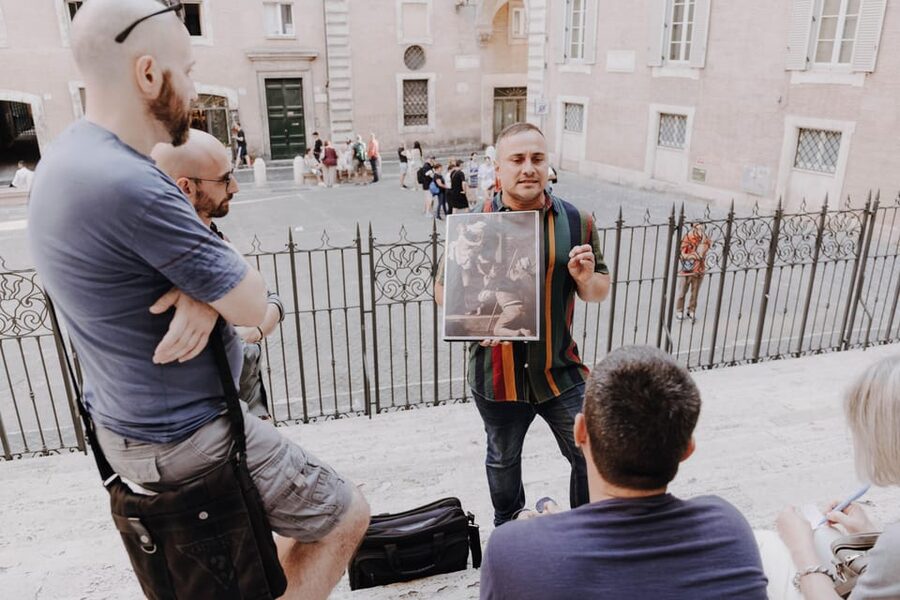
I’d choose this walk if you enjoy history told through people rather than dates and dynasties. It should suit art lovers, but you don’t need an art background. The stories are designed to make sense to anyone interested in the lives behind famous images, and the route itself gives you a rewarding way to explore central Rome.
It also works for repeat visitors. Even after several trips, the focus on women, historic homes, and lesser-known details can make familiar streets feel newly legible. If you’ve already seen the major sights, this is a good way to spend an afternoon without repeating the usual checklist.
The tour may not be the best fit if you’re looking for a quiet, purely academic lecture or a museum-heavy itinerary. The tone is lively and sometimes cheeky, and the subject includes scandal as well as serious questions about women’s rights and social power. Go in expecting both entertainment and historical context.
At the end, you’ll be in Piazza Farnese, a useful place to stop for dinner or a glass of wine as the day winds down. That makes the finish feel less like a drop-off and more like a natural chance to reflect on the stories before heading elsewhere.
Should you book the Renaissance Women of Caravaggio and the Borgia Family tour?
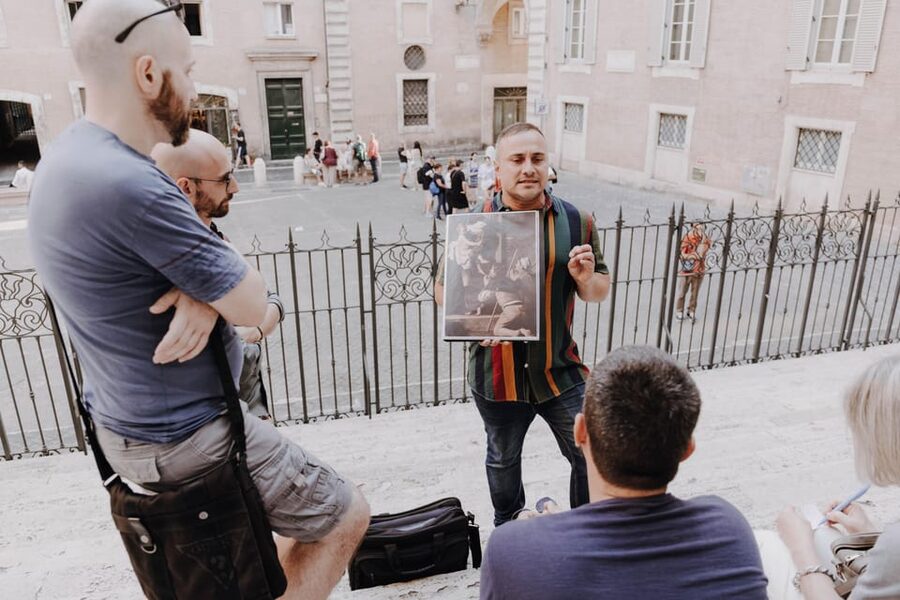
Book it if you want Rome’s art and politics explained through women who are often reduced to faces in paintings or names in other people’s stories. Massimo’s storytelling, the church visits, and the walk through historic streets make the three hours feel purposeful.
Skip it if your priority is a long museum visit, a broad overview of Roman history, or a tour with all costs included. For everyone else, especially curious repeat visitors and anyone who enjoys a well-told human story, it offers a thoughtful and entertaining change of pace.
FAQ

How long is the tour?
The walking tour lasts three hours.
Where does the tour start?
Meet beside Trajan’s Column, next to Piazza Venezia. The guide will hold a Renaissance Scarlet Ladies Tour sign.
Where does the tour end?
The walk ends at Piazza Farnese, where you can stop for a meal or a drink.
What language is the tour in?
The live tour guide speaks English.
What should I wear to enter the churches?
Cover your shoulders, including the tops of your arms. Shorts or skirts should end around the knee, and short skirts are not allowed. Churches may refuse entry if your clothing is unsuitable.
Is a snack or drink included?
No. A short break may be included, and you can buy a snack or beverage at your own expense.
Newly reviewed in Rome
- Rome: St. Paul’s Within the Walls New Year’s Concert Ticket★ 4.4 · 35 reviews
- Rome: Neapolitan Pizza Cooking Class in Front of the Vatican★ 4.8 · 137 reviews
- Rome: Navona Underground & Domitian Stadium Guided Tour★ 4.6 · 36 reviews
- Rome: Navona Square and École Française Underground ticket★ 3.9 · 160 reviews
- Rome: Monuments and Belvederes Bike Tour★ 4.7 · 26 reviews
- Rome: Musical Biography of Frank Sinatra Concert★ 3.9 · 100 reviews
- Rome: Monti Neighborhood Lunch or Dinner Food Tour★ 4.9 · 8 reviews
- Rome: Mini hike to the ancient Parco degli Acquedotti★ 4.9 · 9 reviews
Rome Family Tours, compared.
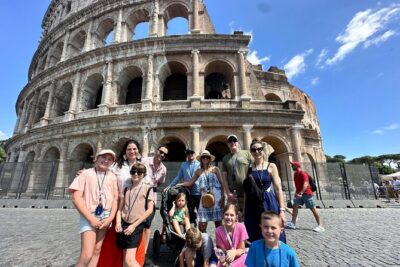
Colosseum and Roman Forum Tour for Kids and Families
Read our review →
Colosseum and Ancient Rome Family Tour for Kids
Read our review →

Family-Friendly Pasta and Tiramisu Cooking Class
Read our review →

Cooking Experience in a Roman family in Trastevere
Read our review →Browse the lists this tour appears in