
Review · ROME TOURS
Rome: Leonardo da Vinci Exhibition Entrance Ticket
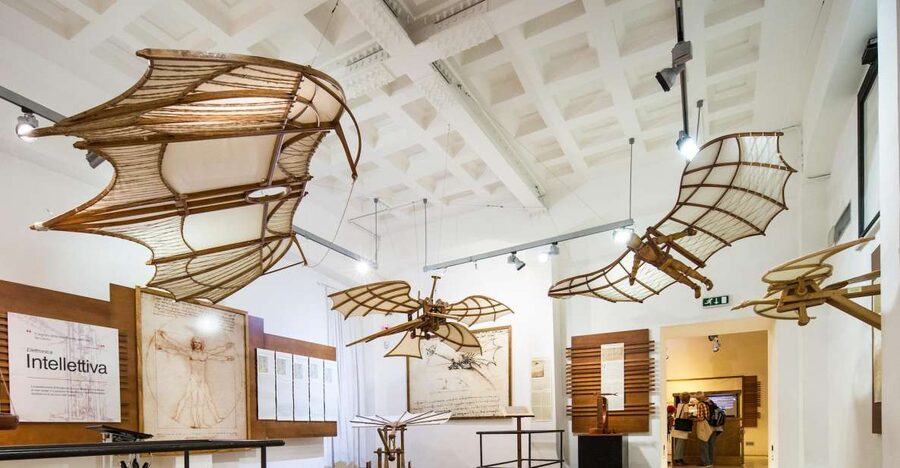
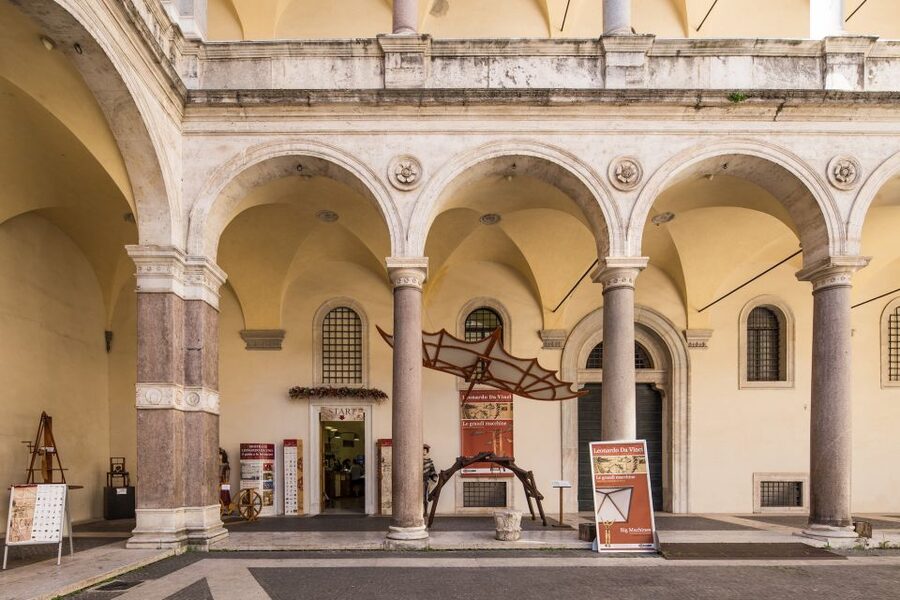
Leonardo’s ideas are easier to grasp when you can see a sketch turned into a working model, then put your hands on the mechanism yourself. At this small exhibition in Palazzo della Cancelleria, you’ll find more than 65 full-scale reproductions, from flying machines to military devices, alongside holograms and interactive displays.
I like two things especially: you can try many of the inventions, rather than just peer at them, and the four sections on water, air, fire and earth show how widely Leonardo’s curiosity ranged. The exhibition also takes you below ground to an ancient tomb beside a natural pond, an unexpected change of scene in the middle of central Rome.
One thing to keep in mind: this is a compact exhibition, not a grand art museum, and the ticket does not include a guide. If you want fuller explanations, an audio guide may be available for an added fee. Some room numbering can also be a little unclear, so take your time as you move through the displays.
At a glance
- More than 65 full-scale models: See Leonardo’s engineering ideas made tangible, including designs for flight, transport and military use.
- Hands-on exhibits: Test many of the machines and try building a version of one of his bridges.
- Nine 3D holograms: Watch images of Leonardo’s paintings and inventions presented in three dimensions.
- Four themed sections: Follow his studies of water, air, fire and earth.
- A Roman surprise below ground: See a tomb dating to 43 BC beside an underground natural pond.
- A short, flexible visit: Many people spend about 45 to 60 minutes here, though you can take longer with the displays and audio guide.
Leonardo’s drawings become machines
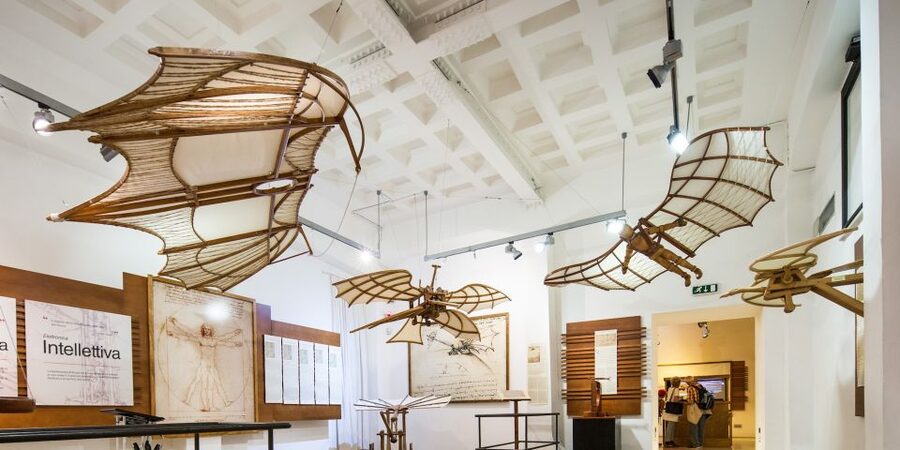
The exhibition’s central idea is simple and effective: Leonardo’s drawings are not left on the page. You see models built to bring his engineering designs to life, then get close enough to study how the parts might work together. For anyone who has seen a sketch of a flying machine or a gear system and wondered how it could function, this is a useful step from picture to mechanism.
The collection covers more than 65 full-scale reproductions, with examples drawn from science, aviation and military engineering. You might see a tank design, instruments, musical devices, water studies and flying machines. That range matters. Leonardo is often introduced first as a painter, but the exhibition helps you appreciate the breadth of his interests as a draughtsman, engineer, scientist, theorist, sculptor and architect.
These are models based on Leonardo’s designs, not a gallery of original machines built by him. That distinction is worth keeping in mind. The value lies in seeing how the ideas might operate, and in noticing the thought behind them, rather than in viewing historical objects from Leonardo’s workshop.
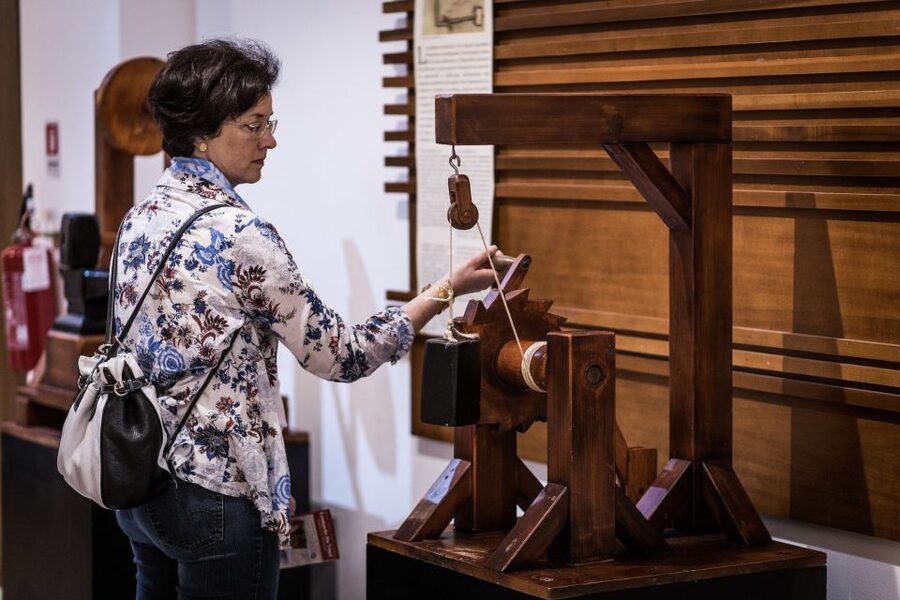
The experience is especially good for curious visitors who like to understand how things are put together. Many of the models are meant to be touched or tried, making this a more active stop than a traditional museum room. If you’re visiting with children, the hands-on approach can turn a history lesson into a shared puzzle. Still, younger children need close supervision: some areas have trip hazards, and the touch-or-do-not-touch boundaries may not always be obvious.
More museum visits in Rome:
- Vatican: Museums & Sistine Chapel Entrance Ticket
★ 4.5 · 144,003 reviews - Vatican Museums & Sistine Chapel Tour with Optional Basilica
★ 4.3 · 67,413 reviews - Vatican Museums, Sistine Chapel & St Peter’s Basilica Guided Tour
★ 4.5 · 39,149 reviews
Four sections, from water to flight
The exhibition is arranged in four sections around Leonardo’s studies of water, air, fire and earth. This structure gives you a way to make sense of a large collection of ideas. Rather than treating the machines as a jumble of clever objects, you can look for the forces and problems Leonardo was trying to understand.
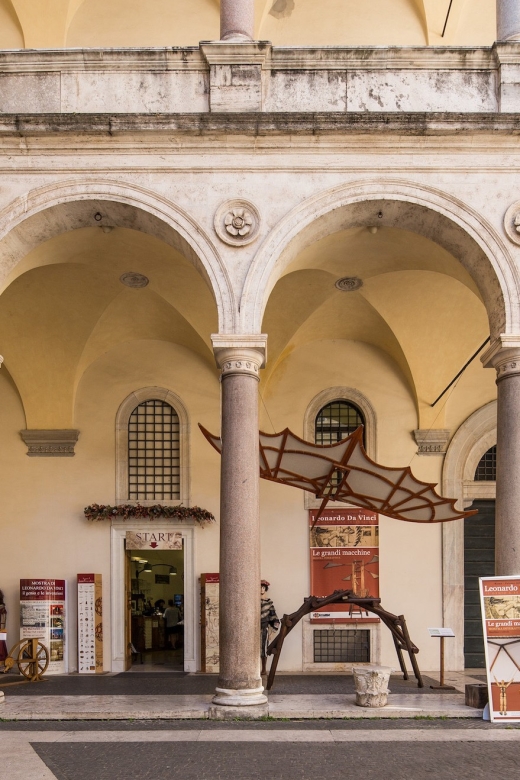
The water section is a good place to think about his interest in movement and control. His studies connect the natural world with practical engineering, and the models help make that relationship visible. The air section turns toward flight and the mechanics of movement through space. Leonardo’s flying devices are among the most memorable displays, partly because they show how early and ambitious his thinking was, even when the designs could not work as intended with the technology of his time.
Fire and earth broaden the picture further, leading into devices and studies tied to engineering and military design. The precise appeal of each room will depend on what interests you most. You may linger over the mechanics of a weapon or transport device, while another person spends longer with the flying machines or the water studies.
The room sequence can be a little confusing. Some visitors have found that the numbered rooms do not seem to follow a simple order, and the audio guide’s sequence may not match the physical route exactly. Rather than rushing to keep every number in order, take the exhibition at your own pace and use the labels and explanations to orient yourself.
Put your hands on the inventions
Interactivity is the exhibition’s strongest practical feature. You can touch and play with many of the machines, and one activity lets you build your own version of a bridge Leonardo devised. That changes the visit from looking at finished objects to thinking through the problem they were designed to solve.
The hands-on element works for adults as well as children. You do not need an engineering background to enjoy turning a mechanism or testing how a model moves. In fact, the pleasure is often in seeing how a small change affects the whole device. If you’re visiting with a school-age child, this can be a welcome pause from Rome’s church-and-monument circuit, with something to discuss together afterwards.
There are also seven interactive installations connected to Leonardo’s drawings. They offer another way to examine the ideas behind the objects, rather than treating the models as curiosities. The exhibition is at its best when you give these features time. A quick walk past the displays will show you the variety, but stopping to read, handle and compare is what makes Leonardo’s process easier to understand.
Do keep an eye on where you step and on the exhibit instructions. The space includes trip hazards, and not every item is necessarily meant to be handled. The general invitation is hands-on, but use the display guidance rather than assuming every object is available to touch.
Holograms, paintings and the art behind the engineering
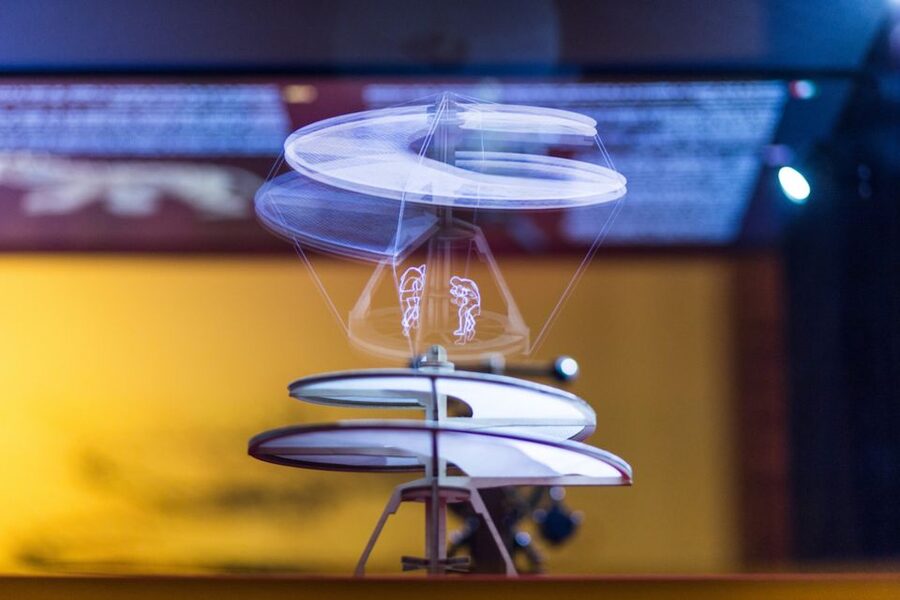
Nine holograms add a multimedia layer, showing Leonardo’s paintings and inventions in 3D. They are a change of pace from the physical models and can help you picture a design in motion. The exhibition also includes a copy of The Last Supper, connecting the engineering displays with the work that made Leonardo famous as an artist.
The holograms are not a substitute for seeing original paintings. If you are coming to Rome mainly for Renaissance masterpieces, this is not the place to plan as your primary art stop. Instead, think of the images as part of a broader introduction to Leonardo’s range. The models, drawings and visual effects work together to show how the same mind could move between art, observation and invention.
A visitor with a strong interest in Leonardo’s engineering will likely find the machines the main attraction. Someone with a more general curiosity may appreciate the contrast between the artist’s familiar works and the less familiar designs. The exhibition’s appeal is that it makes the inventor visible without losing sight of the artist.
More tickets in Rome:
- Rome: Pantheon Fast-Track Ticket and Official Audio Guide
★ 4.3 · 21,008 reviews - Rome:Hop-On Hop-Off Panoramic Open Bus Ticket 3 Circuits x 1
★ 4.0 · 15,405 reviews - Vatican Museums & Sistine Chapel Skip-the-Line Entry Ticket
★ 4.4 · 13,838 reviews - Rome: Vatican Museums & Sistine Chapel Skip-The-Line Ticket
★ 4.2 · 11,708 reviews
Below the palace, an ancient Roman tomb
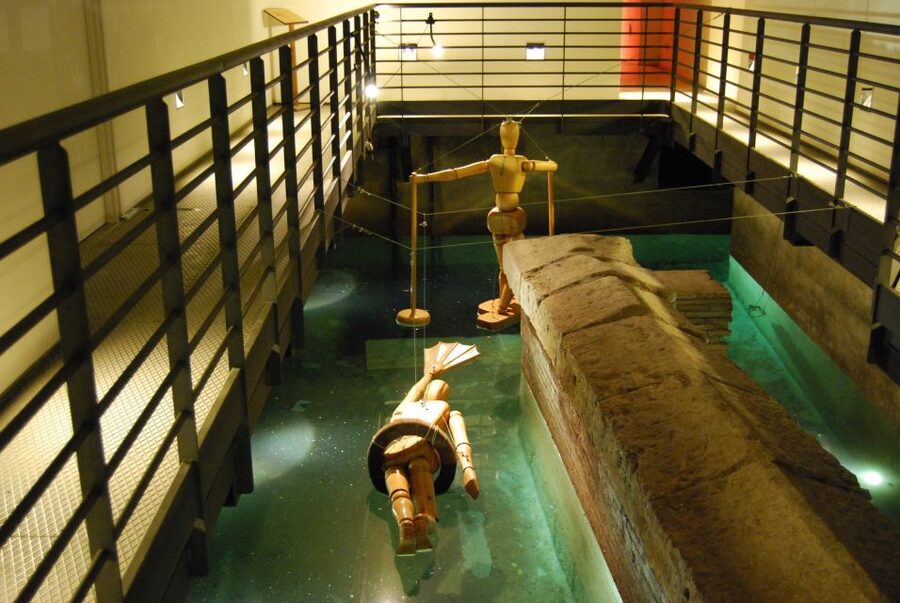
One of the exhibition’s most unexpected features is underground. Palazzo della Cancelleria contains the tomb of the architect Auro Irzio, dating to 43 BC, set beside an underground natural pond. It is a sharp shift in subject, from Renaissance invention to ancient Rome, and gives the visit a second historical layer.
The tomb is not part of Leonardo’s story, but it adds a sense of place that a simple machine gallery would lack. You are visiting an exhibition inside a notable building, not a purpose-built display hall. The palace is owned by the Vatican, and its upper floor hosts the Sacra Rota, the church tribunal that deals with the dissolution of marriages.
You should not expect a full tour of the palace or its upper floor as part of this ticket. The building details are useful context, while the exhibition itself remains the main event. Still, the underground tomb and pond are a welcome bonus, especially if you enjoy the way Rome layers different periods in a single visit.
Audio guide or self-guided visit?
The ticket includes admission and a gadget, but no guide. The exhibition has explanatory material in English, and you can make a satisfying visit by reading the displays and exploring at your own pace. If you want more context, an audio guide is available as an optional extra according to the information provided for the experience.
I’d consider the audio guide if you’re especially interested in Leonardo’s engineering or want detailed explanations of how the machines relate to modern transport and architecture. It can add useful background to the models and drawings. Just be prepared for the audio sequence not to match the room order perfectly; you may need to move between the guide and the exhibition rather than follow it as a strict route.
If you are visiting with children or prefer to browse freely, you may be happier without headphones. The interactive displays invite conversation and experimentation, and a self-guided visit is easy to shape around your own interests. The choice is less about whether you need a guide to understand anything at all, and more about how much extra explanation you want.
How much time and money to allow
At about $10 per person, this is a modestly priced cultural stop by Rome standards. You are paying for a compact, hands-on exhibition with dozens of models, holograms and the underground tomb, rather than a full-day museum. If you enjoy the displays, the price is easy to justify; if you expect a vast collection or a major art museum, you may find the visit brief.
A visit of 45 to 60 minutes is a sensible starting point. You might move through more quickly if you skim the explanations, or stay longer to read, watch the short videos and try the interactive devices. One visitor spent two hours, so the length depends on your pace and interest. The ticket is valid for one day, but the exhibition itself is not a day-long activity.
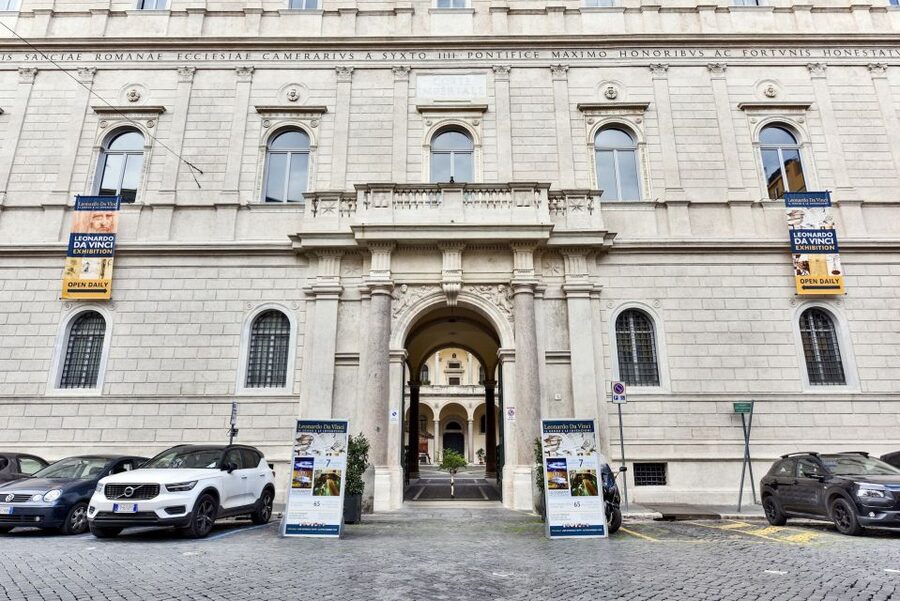
The location is in central Rome at Piazza della Cancelleria 1, near Campo de’ Fiori and Piazza Navona. That makes it easy to pair with other sightseeing in the area, without needing to build a whole day around it. Entry is available until one hour before closing, so check the available times and opening details when planning your visit.
The ticket offers skip-the-ticket-line entry and the site is wheelchair accessible. Free cancellation is available up to 24 hours in advance, and you can reserve now and pay later. Those terms offer flexibility, but the real value decision is about your interest: the exhibition rewards curiosity about Leonardo and invention more than a desire to tick off another famous painting.
Who will get the most from this visit?
I’d recommend this exhibition to anyone fascinated by Leonardo’s inventions, mechanical design or the way ideas move from drawing to working model. It is also a good family stop for children who like to touch, test and build, especially school-age kids. The interactive format gives them something to do, while adults can take time with the engineering and historical explanations.
It also suits visitors looking for a quieter change from Rome’s major sights. The exhibition is indoors and underground in places, making it a pleasant break from summer heat. Its compact size can be an advantage when you have a busy day, and the central location makes it easy to fit into a walk around Campo de’ Fiori or Piazza Navona.
You may want to skip it if your time is very short and your main goal is to see original Renaissance art. The displays are reproductions, and the exhibition is focused on Leonardo’s studies and inventions. It is an engaging interpretation of his work, not a substitute for Rome’s major art collections.
Should you book the Leonardo da Vinci exhibition?
Book it if you want a practical, hands-on look at Leonardo beyond the familiar image of the painter. The full-scale models, interactive bridge activity and four themed sections make his engineering easier to picture, while the holograms and ancient tomb add variety to a relatively short visit.
If you are keen on extra explanation, budget for the optional audio guide and allow at least an hour. If you prefer a quick stop, the exhibition can still work as a 45-minute visit. For around $10, it is a good-value choice for families, history fans and anyone curious about how Leonardo’s sketches might function in real life. If your priority is seeing original masterpieces, put your time elsewhere.
FAQ
How long does a visit usually take?
Many visitors can see the exhibition in about 45 to 60 minutes. You may spend longer if you read the displays, watch the videos, try the interactive machines or use an audio guide.
What does the ticket include?
The ticket includes exhibition entry and a gadget. A guide is not included.
Is there an audio guide?
An audio guide may be available for an additional cost. It provides further explanations, though its sequence may not match the room order exactly.
Can I touch the machines?
You can touch and try many of the machines, and you can build a version of one of Leonardo’s bridges. Follow the instructions at each display, since not every object should be assumed to be touchable.
Where is the exhibition?
It is at La Mostra Leonardo da Vinci, Piazza della Cancelleria 1, near Campo de’ Fiori and Piazza Navona in Rome.
Is the exhibition wheelchair accessible?
Yes, the activity information describes the exhibition as wheelchair accessible.
Can I cancel my booking?
Yes. You can cancel up to 24 hours in advance for a full refund.
Newly reviewed in Rome
- Rome: Neapolitan Pizza Cooking Class in Front of the Vatican★ 4.8 · 137 reviews
- Rome: St. Paul’s Within the Walls New Year’s Concert Ticket★ 4.4 · 35 reviews
- Rome: Navona Underground & Domitian Stadium Guided Tour★ 4.6 · 36 reviews
- Rome: Navona Square and École Française Underground ticket★ 3.9 · 160 reviews
- Rome: Monuments and Belvederes Bike Tour★ 4.7 · 26 reviews
- Rome: Musical Biography of Frank Sinatra Concert★ 3.9 · 100 reviews
- Rome: Monti Neighborhood Lunch or Dinner Food Tour★ 4.9 · 8 reviews
- Rome: Mini hike to the ancient Parco degli Acquedotti★ 4.9 · 9 reviews
Rome Tours, compared.

Vatican: Museums & Sistine Chapel Entrance Ticket
Read our review →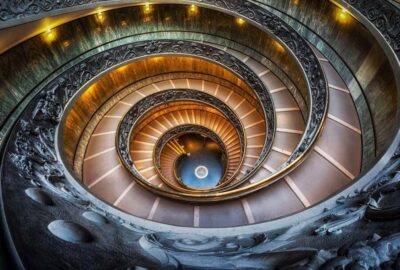
Vatican Museums & Sistine Chapel Tour with Optional Basilica
Read our review →
Colosseum, Roman Forum & Palatine Guided Tour
Read our review →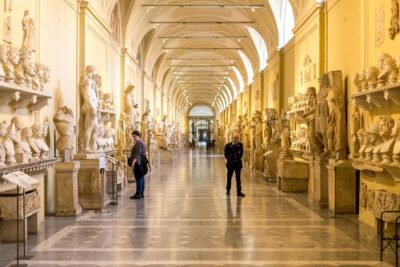
Vatican Museums, Sistine Chapel & St Peter’s Basilica Guided Tour
Read our review →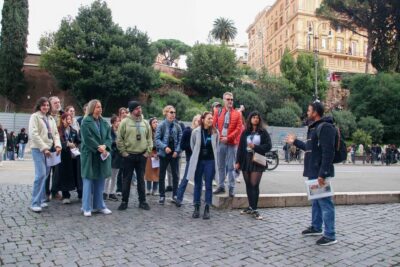
Colosseum & Forum with Audio Guide App -Optional Arena
Read our review →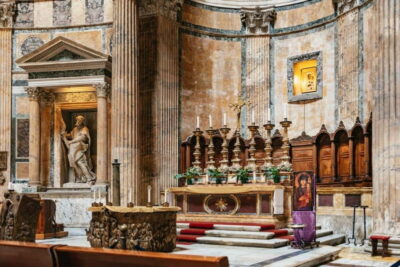
Pantheon Fast-Track Ticket and Official Audio Guide
Read our review →
City Sightseeing Hop-on Hop-off Bus with Audioguide
Read our review →
Hop-On Hop-Off Panoramic Open Bus Ticket 3 Circuits x 1
Read our review →Browse the lists this tour appears in