
Review · ROME COOKING CLASSES
Rome: Pasta Cooking Class with Market Visit and Wine
A market visit gives this Rome pasta class a useful start: you see the ingredients before you learn what to do with them. Then chef Marco leads you through fresh dough, pasta shapes, fillings, and sauces, with lunch at the end.
I like the combination of a neighborhood market walk and a hands-on lesson: it connects the meal to the shopping and cooking choices behind it. I also like that the class aims beyond one familiar dish, with several pasta styles and sauces to try.
One point to plan around: the advertised duration is six hours, though some sessions have run closer to four. Keep room in your schedule, and note that the class is not suitable for people with gluten intolerance.
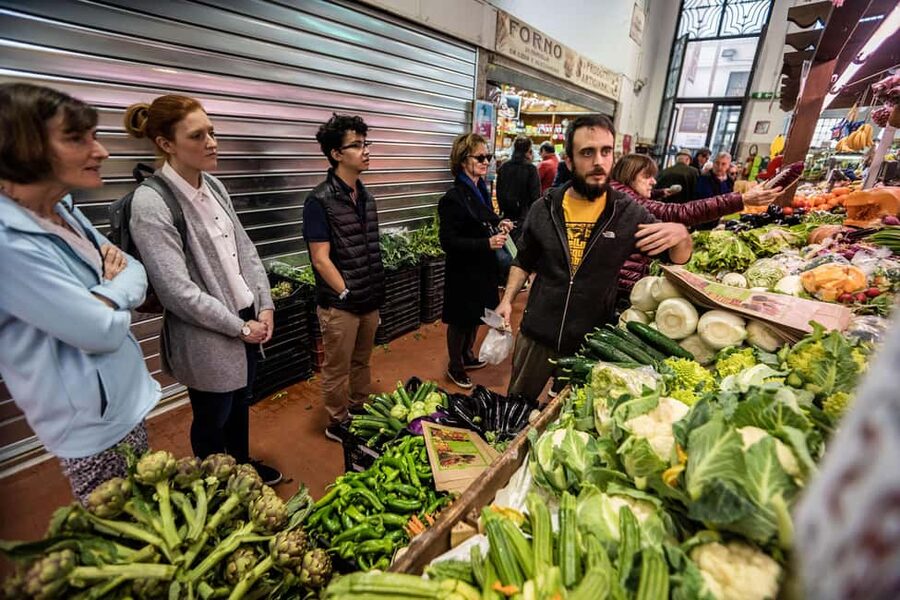
- Nomentano Market comes first: Walk with Marco to see fresh, seasonal ingredients and hear local stories along the way.
- You make several kinds of pasta: The class may include linguine, ravioli, and tortellini, with different shapes and fillings.
- Marco is a major part of the experience: Expect clear instruction, personal help, and a lively, easygoing atmosphere.
- Lunch is the payoff: Eat the pasta with sauce, enjoy a glass of Italian wine, then finish with coffee and limoncello.
- Take-home extras are included: You receive recipes and a participation certificate.
- Allow schedule flexibility: The stated length is six hours, but the actual class can be shorter.
From Via Palestro to Nomentano Market
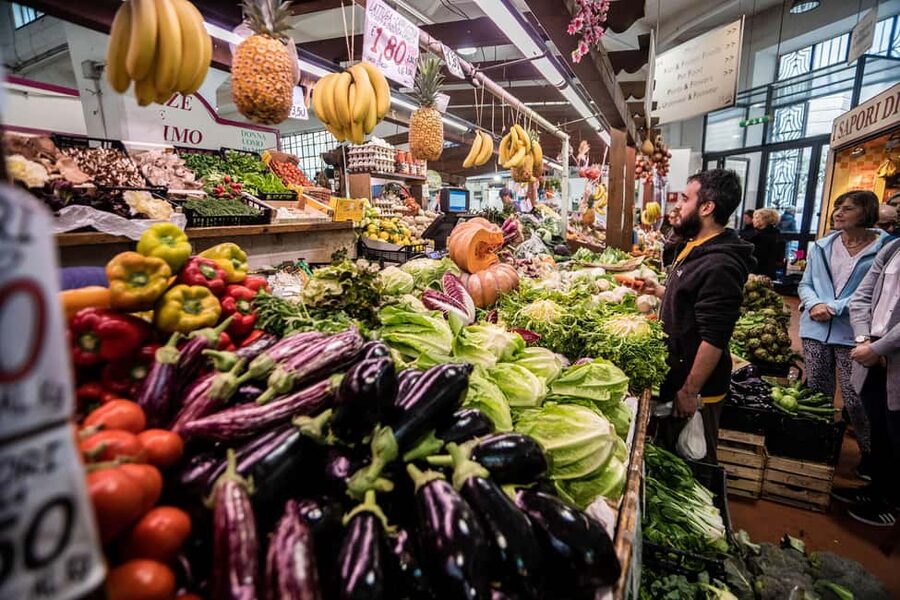
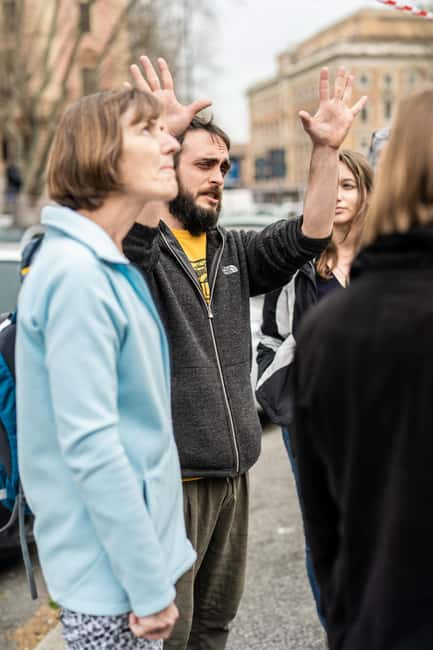
The class starts at Via Palestro 51, where you should arrive at least 10 minutes before the activity begins. From there, you walk with Marco to Nomentano Market. The market visit is more than a quick prelude to the cooking: it gives you a look at the fresh ingredients used in the recipes and a chance to hear about how a local chef chooses them.
The walk also provides a bit of Rome beyond the usual monument circuit. Marco shares stories about the city and its food culture on the way, according to the experience described by participants. That makes the short outing useful even if you already know your way around a market. You get a little local context before you sit down to cook.
The market’s seasonal produce is part of the appeal. Instead of starting with a recipe on a page, you see ingredients in their everyday setting and learn how they might work together. One example described during class was pumpkin, ricotta, sage, and mushrooms as a combination for ravioli. The precise ingredients can vary, so treat that as an illustration rather than a promise of a fixed menu.
This is a neighborhood market visit, not a long food tour with lots of stops. If you want a deep survey of Rome’s markets, this won’t fill that need. But if you enjoy seeing where a cooking lesson begins, the walk gives the day a stronger sense of place.
At the Kitchen of Mamma
After the market, you return to the cooking space known as the Kitchen of Mamma. The main event is making pasta from scratch with Marco, who explains the dough and guides the group through shaping, filling, and cutting. No previous cooking skills are required, which makes this a sound choice if your pasta-making experience begins and ends with opening a packet.
You can expect a practical lesson rather than a demonstration where you only watch. Participants describe having individual workstations and getting hands-on help as they work. Marco checks the dough and offers corrections, so you are not left guessing whether it has the right feel or whether you have shaped it properly.
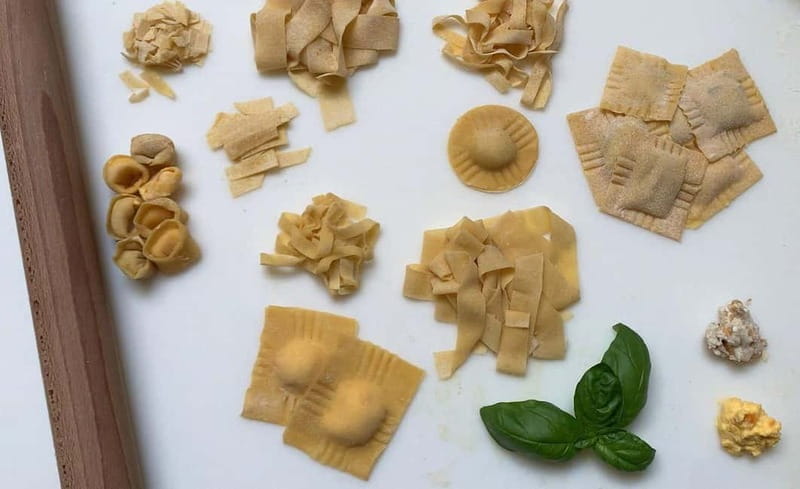
The class can cover several forms of pasta, including linguine, ravioli, and tortellini. Some participants have made as many as seven shapes or worked with different sizes and filled pasta. The exact mix may vary, but the central idea is clear: you learn more than one way to turn dough into dinner.
The filling and sauce work also add variety. Marco prepares some fillings and sauces while explaining how they are made, and participants help form pasta such as ravioli and tortellini. This balance matters. You get a real job to do, while the chef keeps the meal on track and shows how the separate parts fit together.
Don’t expect every person to cook every ingredient from the first step to the last. Some participants note that Marco handles parts of the preparation, including certain fillings or sauces. That is a fair trade in a group lesson: you get more dishes to taste and a chance to learn from a chef’s technique, though the experience is not a solo kitchen apprenticeship.
More cooking classes in Rome:
- 3 in 1 Cooking Class near Navona: Fettuccine, Ravioli & Tiramisu
★ 5.0 · 7,376 reviews - Rome: Pasta & Tiramisu Class with Fine Wine by the Vatican
★ 4.9 · 4,852 reviews - Rome: Pasta Making Class with Wine, Limoncello, and Dessert
★ 4.9 · 3,177 reviews
Learning to Make Pasta, Not Just Eat It
Fresh pasta is a good subject for a short cooking course because small changes in dough and handling make a visible difference. Here, Marco explains the basics in clear steps and moves around the room to help when needed. You can ask questions as you work, rather than trying to copy a quick demonstration from across the kitchen.
The variety is a particular strength. The class is not limited to spaghetti or one Roman classic. You may work with long pasta and filled shapes, then see how different sauces suit what you have made. That gives you practical ideas to take home: how to shape pasta, how to fill it, and how to think about pairing it with a sauce.
For many people, the best souvenir is the confidence to try again in their own kitchen. The included recipes make that easier, and the class gives you a memory of how the dough should look and feel. A participation certificate is also included, though the recipes are likely to be more useful once you are back home.
If you cook with children or family, the format may work well. Families have enjoyed making and eating the pasta together, and Marco’s friendly style helps put people at ease. Still, this is a six-hour activity on paper, so consider the length for younger children and check the available start time before committing.
A Long Lunch With Wine, Coffee, and Limoncello
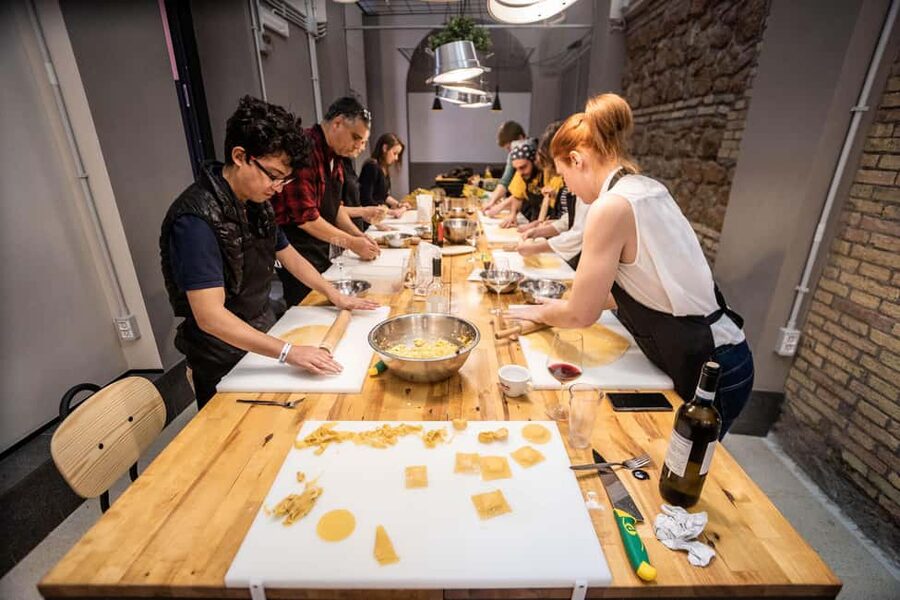
Once the pasta is made, you sit down to eat it. Lunch includes the pasta you have prepared, accompanied by a glass of Italian wine. The meal is part of the lesson, not an unrelated restaurant stop: you get to taste the results while the techniques are still fresh in your mind.
The dishes can be generous and varied. Past classes have included different sauces and fillings, with examples such as pumpkin and ricotta ravioli and bolognese. Menus can change with ingredients and class plans, so don’t book expecting one exact dish. The more reliable expectation is a meal built around the pasta made during the session.
Wine helps make the class social, and the pace leaves time to talk with Marco and the other people at the table. Coffee and limoncello round out the meal. If you do not drink alcohol, or have a dietary restriction, contact the provider in advance to ask what alternatives are possible. The class is specifically not suitable for people with gluten intolerance.
The cooking itself can be as much about sharing the table as mastering a technique. You meet people who have come to Rome for different reasons, and the common task of turning dough into lunch gives everyone an easy way to connect. That relaxed social element is a welcome change from a day spent moving between sights.
What Six Hours Really Means
The activity is advertised as six hours, but the actual timing may be shorter. Some sessions have taken about four hours, which participants found comfortable, while the full schedule may allow more time for the market, cooking, and meal. Plan around the stated six hours rather than counting on a shorter visit, especially if you have a timed reservation later.
The exact start time depends on availability. That makes the class easier to fit into a trip if you can be flexible, but it is still a substantial block of the day. You return to the same meeting point at Via Palestro 51, so there is no separate end location to arrange transport from.
The class is taught in English and Italian. If you need to follow the instructions in English, that language is listed. Because pasta-making involves watching and doing as well as listening, the lesson is practical, but you should still check that the language arrangement suits your needs when booking.
More wine tastings in Rome:
- Rome: Tuscany & Montepulciano Day Trip with Lunch & Wine Tasting
★ 4.5 · 5,232 reviews - Rome Food Tour: Unlimited Tastings with Fine Wine & Barolo
★ 5.0 · 3,365 reviews - Rome: Trastevere Food tour with Free-Flowing Fine Wine
★ 5.0 · 2,853 reviews - Learn to Make Pasta & Tiramisu with Wine and Limoncello Included
★ 5.0 · 2,345 reviews
Is $141.61 Good Value?
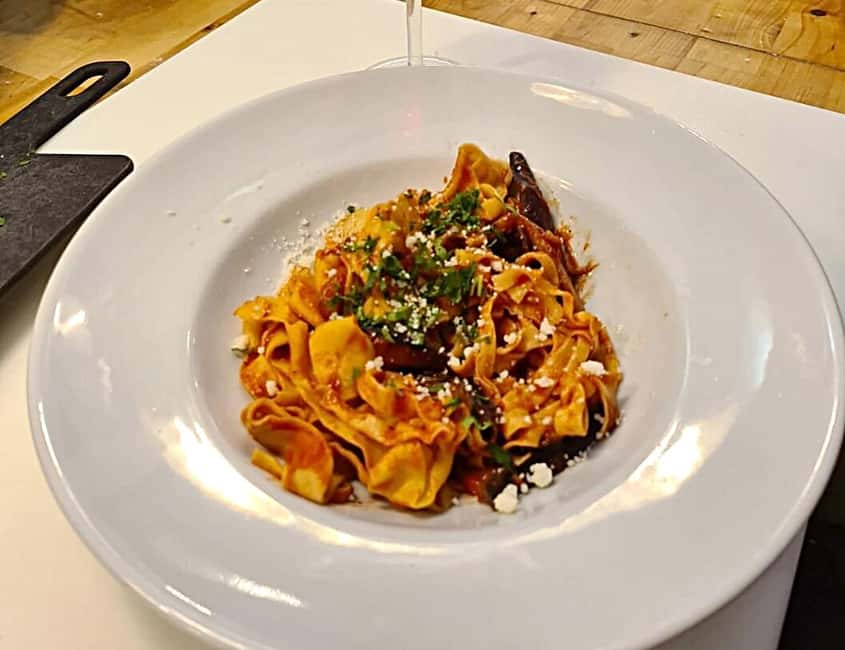
At $141.61 per person, this is not a bargain meal, but it includes much more than lunch. You get the market walk, instruction from a chef, several types of pasta, a meal, wine, coffee, limoncello, recipes, and a participation certificate. The value improves if you are keen to learn and will use the recipes at home.
The hands-on element is what justifies the price better than the food alone. You are not paying only for a plate of pasta; you are paying for time with a chef who explains the process, helps you correct mistakes, and shares how he thinks about ingredients. The market visit adds context that a kitchen-only class would miss.
It may be less valuable if you mainly want a quick lunch, already make fresh pasta regularly, or dislike group activities. You should also consider the length: six hours is a large chunk of a Rome day. But if a cooking class is high on your list, the combination of shopping, cooking, eating, and conversation makes this a full experience rather than a brief demonstration.
Who Should Book This Class?
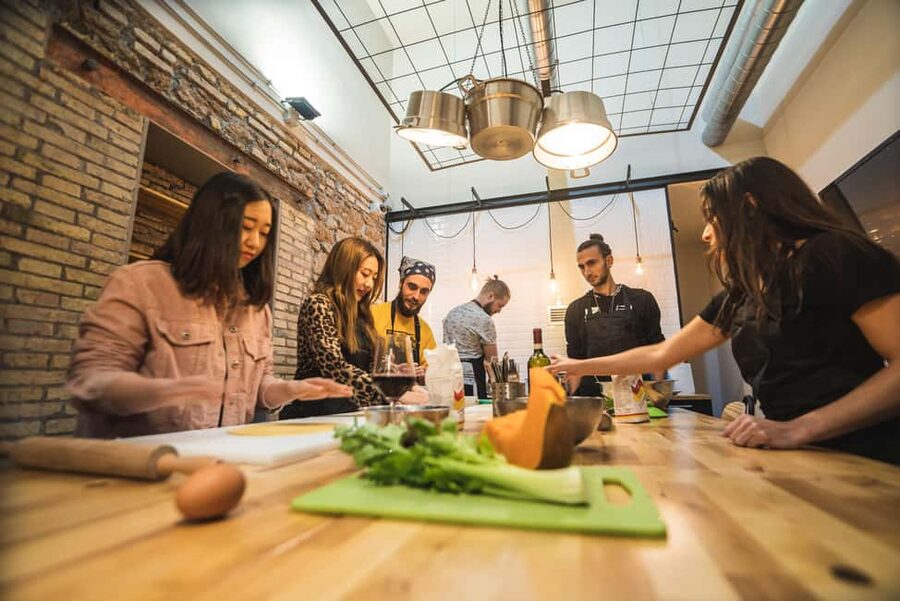
I’d recommend it to first-time pasta makers, curious home cooks, couples, and families who want an activity that includes both learning and a shared meal. It’s also a good fit if you want a glimpse of Roman food culture beyond ordering from a menu. Marco’s light, funny teaching style is central to the appeal, while his individual help makes the class approachable for beginners.
You may want to choose another activity if you have gluten intolerance, need a very short class, or want a highly structured lesson where every participant prepares every ingredient. The class is social and hands-on, but some preparation is handled by the chef so that the group can make and eat a range of dishes.
Should You Book It?
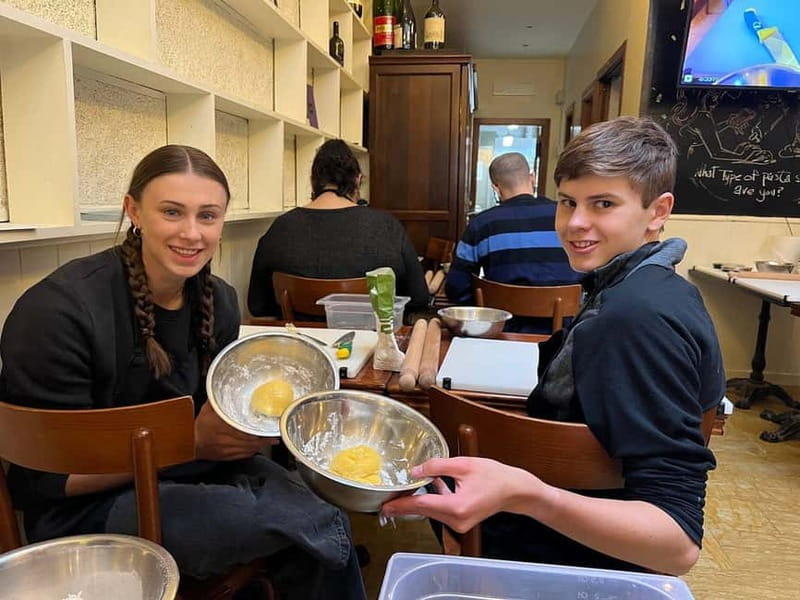
Book this class if you want to spend part of your Rome visit learning a skill, meeting a chef, and eating what you have made. The market stop, several pasta shapes, and relaxed meal give it more substance than a simple cooking demonstration. Keep your schedule open for the full six hours, and check dietary needs before booking. If that balance suits you, this is a strong pick for a food-focused day in Rome.
FAQ
Where does the class start and end?
It starts at Via Palestro 51, 00185 Rome, and ends back at the same meeting point. Arrive at least 10 minutes before the activity starts.
How long does the experience last?
The stated duration is six hours. Some sessions have taken closer to four hours, so leave enough time for the full advertised duration.
What market does the class visit?
The walk goes to Nomentano Market, where you see fresh, seasonal ingredients used in the recipes.
Is the class suitable for beginners?
Yes. No previous cooking skills are required.
What languages are offered?
The class is offered in English and Italian.
What food and drinks are included?
Lunch with pasta, a glass of Italian wine, coffee, and limoncello are included.
Is the class suitable for someone with gluten intolerance?
No. The activity is listed as not suitable for people with gluten intolerance.
Can I cancel for a refund?
Yes. You can cancel up to 24 hours in advance for a full refund.
More market visits in Rome
- Rome: Colosseum, Roman Forum & Trajan’s Market Exterior Tour
★ 4.3 · 2,038 reviews - Roman Food Tour with Visit to the Trionfale Food Market
★ 5.0 · 471 reviews - Authentic Roman Cooking Class & Market Experience
★ 5.0 · 363 reviews - Trevi Fountain, Pantheon, and Campo Dei Fiori Market Food and Wine Tour
★ 5.0 · 320 reviews
More pasta experiences in Rome
- Rome: Fettuccine Pasta Cooking Class in Rome’s City Center
★ 4.8 · 2,414 reviews - Rome: Traditional Pasta with Cocktails Cooking Class
★ 5.0 · 2,374 reviews - Become a Masterchef in Rome: Pasta, Ravioli and Tiramisù Class
★ 5.0 · 2,156 reviews - Pasta Cooking Class Near the Colosseum with 3 Spritz Cocktails
★ 5.0 · 1,686 reviews
Newly reviewed in Rome
- Rome: Neapolitan Pizza Cooking Class in Front of the Vatican★ 4.8 · 137 reviews
- Rome: St. Paul’s Within the Walls New Year’s Concert Ticket★ 4.4 · 35 reviews
- Rome: Navona Underground & Domitian Stadium Guided Tour★ 4.6 · 36 reviews
- Rome: Navona Square and École Française Underground ticket★ 3.9 · 160 reviews
- Rome: Monuments and Belvederes Bike Tour★ 4.7 · 26 reviews
- Rome: Musical Biography of Frank Sinatra Concert★ 3.9 · 100 reviews
- Rome: Monti Neighborhood Lunch or Dinner Food Tour★ 4.9 · 8 reviews
- Rome: Mini hike to the ancient Parco degli Acquedotti★ 4.9 · 9 reviews
Rome Cooking Classes, compared.
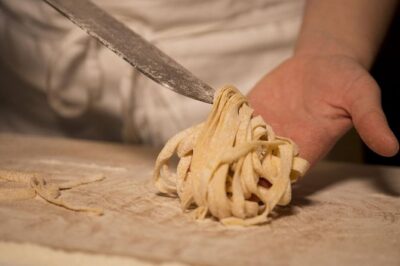
3 in 1 Cooking Class near Navona: Fettuccine, Ravioli & Tiramisu
Read our review →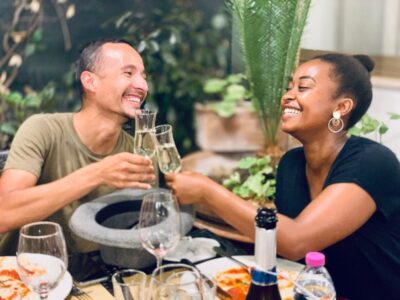
Pasta & Tiramisu Class with Fine Wine by the Vatican
Read our review →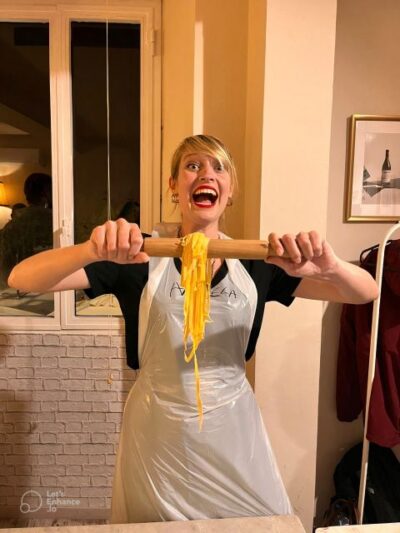
Pasta Making Class with Wine, Limoncello, and Dessert
Read our review →
3-in-1 Fettuccine, Ravioli, and Tiramisu Cooking Class
Read our review →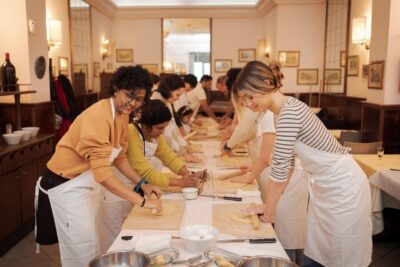
Fettuccine Pasta Cooking Class in Rome’s City Center
Read our review →
Traditional Pasta with Cocktails Cooking Class
Read our review →
Learn to Make Pasta & Tiramisu with Wine and Limoncello Included
Read our review →
Become a Masterchef in Rome: Pasta, Ravioli and Tiramisù Class
Read our review →Browse the lists this tour appears in